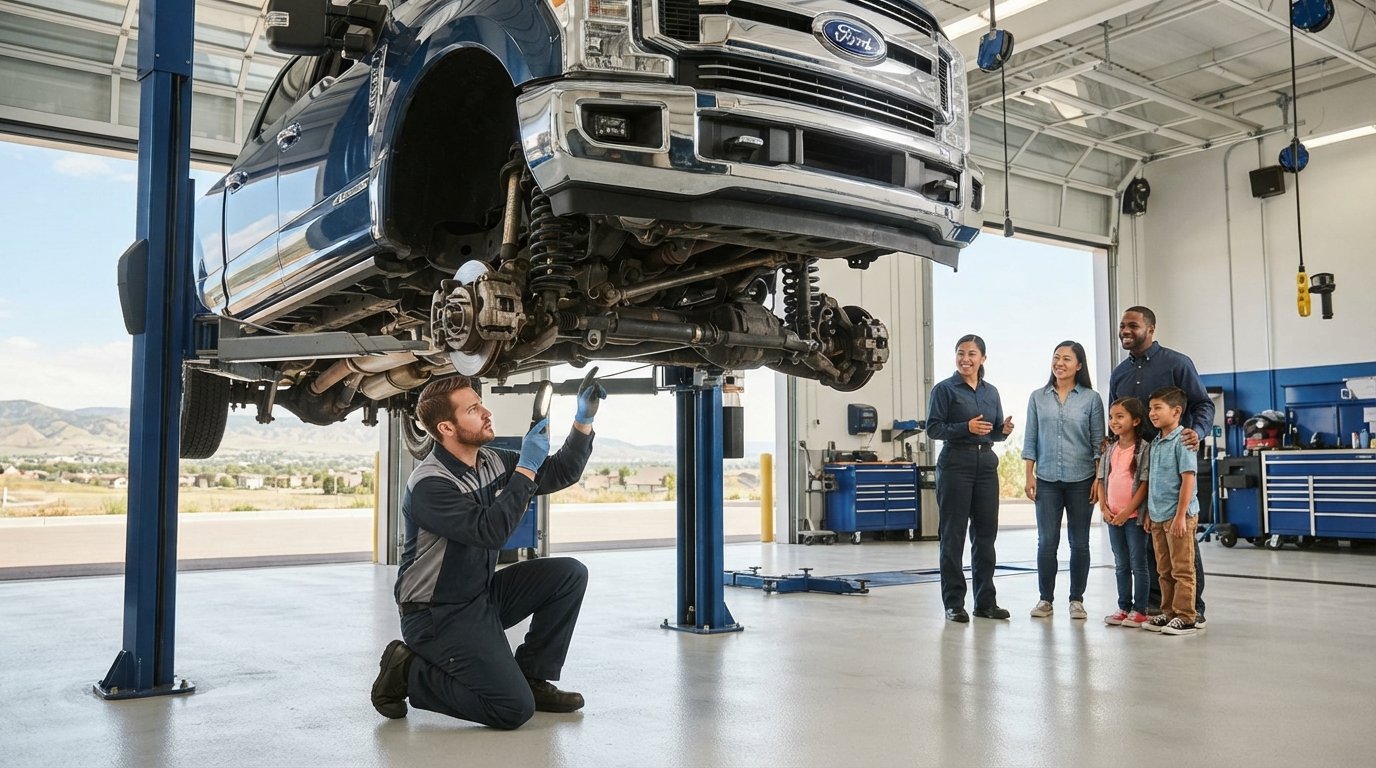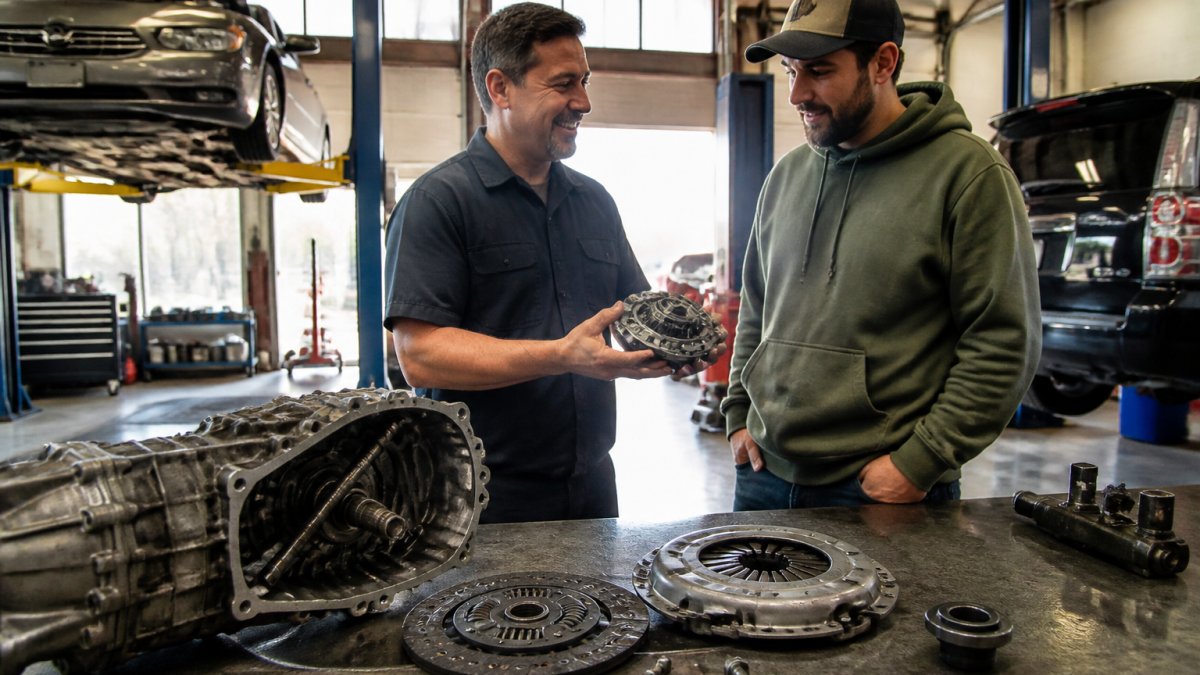
A 30,000 mile service commonly includes an engine oil and oil filter change, tire rotation, fluid checks, and inspections of key vehicle parts. The exact work depends on your make, model, and maintenance schedule, so what a 30k mile service includes can differ from one vehicle to another. Some items may only need inspection, while others may be due for replacement.
It’s reasonable to want to know what the visit covers before you plan maintenance. Your owner’s manual is the guide to the services scheduled for your specific vehicle. This article explains how fluid checks differ from fluid replacement, what an oil change involves, and why filters and visible components may be inspected. You’ll also learn how to understand recommendations without assuming every part or fluid automatically needs replacement at this mileage. The goal is a clearer picture of the visit and a practical way to compare recommended work with your vehicle’s service records.
Key Takeaways
- A 30,000 mile visit commonly combines an oil and filter change, tire rotation, fluid checks, and inspections, but the exact schedule depends on the vehicle.
- Brake fluid, coolant, power steering fluid, and differential fluid may be checked without automatically being replaced.
- Use your owner’s manual to see which fluid services are due for your specific vehicle.
- Belts, hoses, exhaust parts, lights, and filters can be inspected to help identify wear or maintenance needs.
- Ask which items are recommended for service and which simply need monitoring, so you can understand the maintenance plan.
Coolant, brake, power steering, and differential fluid replacement
At 30,000 miles, brake pads and rotors are generally inspected, not automatically replaced. The inspection can identify worn pads, rotor damage, or uneven wear. Those findings help determine whether brake parts need service or simply continued monitoring.
Fluid checks are different from fluid replacements. A maintenance visit commonly checks brake fluid, coolant, washer fluid, and power steering fluid when applicable. Low levels may prompt a search for leaks, but the vehicle’s schedule and fluid condition determine whether replacement is due.
Each fluid has a specific job. Coolant carries engine heat away, while brake fluid transfers force through the braking system. Power steering fluid supports hydraulic steering on vehicles equipped with that system. Differential fluid lubricates gears that transfer power to the wheels.
Coolant replacement intervals vary by vehicle. For example, the 2007 Mazda CX-7 service manual specifies replacement at 10 years or 120,000 miles. That schedule is specific to that example, not a universal rule. Use your own vehicle’s manual to find the relevant interval.
Transmission fluid should also be checked against the vehicle’s maintenance schedule. A 30,000 mile visit does not automatically mean transmission fluid replacement is due. The fluid specification and service interval vary, so the manual guides the recommendation. A transmission fluid service discussion can help explain why the service method matters.
- Inspect brake pads and rotors for wear or damage.
- Check brake fluid, coolant, washer fluid, and applicable power steering fluid.
- Use the vehicle’s schedule to decide whether coolant or differential fluid replacement is due.
- Check transmission fluid service requirements instead of assuming replacement is needed.
At 60,000 miles, scheduled maintenance may include services reviewed at 30,000 miles, plus additional work. It may include brake pad or shoe replacement and a brake fluid flush. Transmission maintenance at that mileage remains vehicle specific, so consult the relevant schedule.
At 90,000 miles, scheduled maintenance may include replacing power steering and differential fluid and flushing the coolant. These examples show why mileage alone cannot determine every fluid service. Spark plugs also follow vehicle specific schedules, so they are not automatically replaced at 30,000 miles. The owner’s manual identifies their recommended interval.
In the United States, there is no single cost for every 30,000 mile service. The amount depends on the vehicle, required parts, labor, and work indicated by inspection; an accurate quote follows inspection.
Engine oil and filter change
An engine oil and filter change is a common part of 30,000 mile maintenance. Oil forms a protective layer between moving engine parts, while the filter catches particles carried through the lubrication system. The replacement oil must match the grade and specification listed for the vehicle.
Start with the owner’s manual, not a guess based on the vehicle’s age or engine sound. The manual identifies the required oil type and scheduled interval. For example, it may list a viscosity grade such as 5W 30 and specify whether synthetic oil is required. Use the exact specification shown for your vehicle.
During an oil change, the existing oil is drained and the oil filter removed. The replacement filter must fit the engine and seal correctly. After installation, the engine receives the specified oil, and its level is checked using the method described in the manual. Too little or too much oil can cause problems.
Oil level checks can also provide useful information between services. A dipstick reading below the marked range may signal oil consumption or a leak. Dark oil alone does not mean the engine has a fault, because oil changes color as it circulates. Note the reading and any visible oil spots in your maintenance record.
- Find the required oil grade and specification in the owner’s manual.
- Replace the filter with one that fits the vehicle.
- Check the final oil level using the vehicle’s stated procedure.
- Record the service date and odometer reading.
Driving conditions can affect how often oil service is needed. Repeated short trips, long idling periods, or frequent demanding use may affect the maintenance schedule. The manual may give separate guidance for different driving conditions. Follow the instructions that match how you actually use the vehicle.
Keep a detailed service record. Include the oil type, filter replacement, date, and odometer reading. If the vehicle has an electronic maintenance reminder, reset it only after completing the scheduled service. This keeps the reminder and written record aligned with the same maintenance event.
If the oil level drops between scheduled visits, record how often you add oil and how much. That pattern provides useful context for assessing possible oil consumption or leakage. An isolated low reading differs from a repeated drop, so clear notes can help guide the next assessment.
For help with engine concerns noticed during maintenance at Eagle Transmission & Auto Repair, plan a service visit in Parker.
Fluid checks and replacements
At 30,000 miles, fluid checks help identify low levels, leaks, or overdue service. The owner’s manual gives the schedule for each vehicle. A mechanic can compare fluid levels and condition with those maintenance requirements, rather than replacing every fluid automatically.
Common checks include engine coolant, brake fluid, washer fluid, and power steering fluid when applicable. Transmission fluid may also be checked according to the vehicle’s design and service procedure. A low level can prompt a search for leaks, while discolored fluid may need further evaluation.
Each fluid serves a different system. Coolant carries heat away from the engine, and brake fluid transfers pedal force. Washer fluid helps clear the windshield, while power steering fluid supports hydraulic steering systems. Some vehicles use electric power steering and have no fluid to inspect.
Transmission fluid lubricates and helps operate transmission components. Its condition and service interval depend on the vehicle, so the manual is the guide. A fluid check does not automatically mean a flush or replacement is due. The difference between a transmission flush and drain and fill matters when scheduled transmission maintenance is required.
- Check the coolant level against the vehicle’s specified procedure.
- Look for wet areas around fluid lines, reservoirs, and connections.
- Compare transmission fluid service needs with the owner’s manual.
- Note fluid concerns alongside the vehicle’s mileage and service records.
A 30,000 mile inspection may also include suspension components such as shocks and struts. These parts help control vehicle movement over uneven pavement. Visible fluid leakage, damaged mounts, or uneven ride behavior can signal a need for closer inspection, rather than automatic replacement.
Electronic system checks can complement visual inspections. A scan tool may retrieve diagnostic trouble codes stored by the vehicle’s control modules. A code points to a system or circuit for further testing, but it does not identify a failed part by itself.
Dashboard warning lights offer another useful clue. An illuminated check engine light, for example, can lead to a diagnostic scan and further testing. A maintenance visit may also include checking exterior lights, since a failed bulb can affect visibility and communication with other drivers.
These checks are most useful when matched to the vehicle’s history. Bring notes about fluid spots, warning lights, or a change in ride quality. At 30,000 miles, those details help focus attention on the affected system and distinguish routine maintenance from a developing concern.

Belts, hoses, exhaust system, and lights inspection
At 30,000 miles, a scheduled inspection can look for wear in belts, hoses, exhaust parts, and vehicle lights. These checks focus on visible condition, proper fit, and signs of damage. Inspection does not mean every part needs replacement. A belt with cracks or frayed edges deserves closer attention than one showing no visible damage.
Accessory belts drive components such as the alternator or air conditioning compressor. A technician can check for cracking, glazing, fraying, or a loose fit. Hoses carrying coolant or other fluids can be inspected for swelling, splits, soft spots, or wet connections. Residue near a radiator hose connection, for example, may point to a leak that needs further evaluation.
An exhaust inspection covers visible pipes, joints, hangers, and the muffler. Rust, loose supports, impact damage, or dark marks near a joint can indicate a concern. A leak may also cause an unusual exhaust sound or smell. These clues help identify the area to inspect further, but sound alone does not pinpoint the source.
Lights help you see and be seen. A walkaround check can test headlamps, tail lamps, brake lights, turn signals, and reverse lights. A helper can press the brake pedal while you check the rear lamps. The dashboard can also be reviewed for warning indicators that may point to an issue beyond a burned-out bulb.
- Look for belt cracks, frayed edges, or a loose fit.
- Check hoses for bulges, splits, dampness, or residue at connections.
- Inspect exhaust pipes, joints, supports, and muffler condition.
- Test headlamps, brake lights, turn signals, and reverse lights.
At 30,000 miles, inspection findings should be separated from repair recommendations. A visible belt crack, coolant residue, or loose exhaust hanger gives a specific reason to investigate. A clean visual check does not replace scheduled maintenance, but it helps identify visible wear before it becomes harder to trace.
Tell the service provider about changes you have noticed, such as a new belt squeal, exhaust noise, or an intermittently working lamp. Those details can help focus the inspection. If the check engine light is on, diagnostic testing can retrieve stored fault information and guide further checks. A warning light alone does not prove a belt, hose, or exhaust part has failed.
When reviewing a 30,000 mile service record, look for the inspection items and any findings listed separately. If a repair is recommended, ask which component showed wear and what evidence supports that recommendation. This keeps the maintenance record clear and helps distinguish an inspection from replacement work.
Cabin and engine air filters
At 30,000 miles, an engine air filter may be due for replacement, depending on the vehicle’s schedule. It helps keep dust and debris out of the engine’s incoming air. The cabin air filter serves a different purpose, filtering air that enters the passenger area through the heating and ventilation system.
These filters aren’t interchangeable. A dirty engine air filter, for example, can restrict airflow into the engine, while a clogged cabin filter can reduce airflow from the vents. During maintenance, each filter can be inspected separately and compared with the owner’s manual recommendations.
The 30,000 mile schedule differs by manufacturer and model. A Volvo service may include inspecting or replacing its engine air filter, depending on its condition. That example doesn’t set the replacement schedule for every Volvo or other vehicle. Follow the maintenance guide for your specific year and model.
Cabin air filters can collect dust, leaves, and other debris. A musty smell or weaker airflow may prompt an inspection, but neither symptom proves the filter is the cause. The fan, vents, or other parts of the ventilation system can also affect airflow. Inspect the filter and system rather than guessing based on one symptom.
- Find the engine air filter service interval in the owner’s manual.
- Inspect the filter for visible dirt, damage, or blockage.
- Check the cabin filter separately from the engine filter.
- Note reduced vent airflow or odors for the maintenance visit.
Filter locations vary by vehicle. The engine air filter may sit in a housing beneath the hood, while the cabin filter may be behind a glove compartment or under a dashboard panel. The vehicle manual can show the correct location and removal instructions. Don’t force a cover or filter that doesn’t release easily.
Replacement is not automatically required just because the odometer reaches 30,000 miles. The manufacturer’s schedule and the filter’s condition guide that decision. Dusty roads or debris can affect how quickly a filter gets dirty, so inspection provides useful context alongside mileage.
Record which filter was inspected or replaced, along with the odometer reading. This helps distinguish the cabin filter from the engine air filter at the next service. If airflow changes after replacement, note whether the issue affects heating, cooling, or both. Those details can help narrow down the concern.
Eagle Transmission & Auto Repair: Transmission Repair
Eagle Transmission & Auto Repair can help when a maintenance visit uncovers shifting concerns, fluid leaks, or unusual transmission behavior. A 30,000 mile service does not automatically mean the transmission needs repair, but symptoms such as slipping or delayed engagement deserve attention.
For scheduled transmission maintenance, transmission repair and service can address concerns identified during inspection. Manual transmission problems or clutch concerns may also call for repair when symptoms affect gear changes.
If your vehicle needs attention beyond routine maintenance, contact Eagle Transmission & Auto Repair or visit parkertransmissionrepair.com to discuss the next step.
Make Your Next Maintenance Visit Count
Understanding what a 30k mile service includes can help you approach maintenance with a clear plan. Keep the recommendations and service records together, then use them to track what was completed and what remains scheduled. That record gives you a useful starting point at the next maintenance visit.
If an inspection also uncovers a concern beyond routine maintenance, separate the immediate repair need from items that can follow the vehicle’s service schedule. Eagle Transmission & Auto Repair offers Transmission Repair, Transmission Service, and Engine Repair, connecting maintenance questions with related repair support.
Have questions about a transmission concern or engine issue alongside your maintenance needs? Plan a visit to Eagle Transmission & Auto Repair in Parker and talk through the next step for your vehicle.
Frequently Asked Questions
What happens during the 30,000-mile service?
It’s a scheduled maintenance visit guided by your vehicle’s maintenance plan. The service record helps show which tasks are due and which have already been completed. Bring notes about recent repairs, warning lights, or changes in how the vehicle drives. Those details give useful context and help distinguish scheduled maintenance from a separate concern that may need diagnosis.
Can I space out these services to save money?
Follow the manufacturer’s scheduled maintenance rather than postponing service. If several tasks appear on the schedule, compare them with your records and clarify which are due now. This helps prevent repeating recently completed work while keeping upcoming items organized. Treat a new symptom, such as a warning light or unusual noise, as a separate concern, not a reason to ignore the maintenance plan.
What maintenance does my car need at 30,000 miles?
Your car needs the tasks listed for its make, model, and year in its owner’s manual. The schedule may use mileage, elapsed time, or both. A vehicle approaching the 30,000 mile or 36 month threshold may be due for scheduled service. Have the manual and service records available, so you can compare the recommended work with what has already been completed.
Why does scheduled maintenance matter?
Scheduled maintenance records document completed care and help identify upcoming tasks. Detailed records can also help preserve a vehicle’s future value. Include the date, odometer reading, and work completed to make it easier to distinguish a missed service from one already performed. These records are especially useful if the vehicle changes owners or develops a concern later.
What is typically included in a 30,000-mile car service?
Typical items may include routine maintenance and inspections, but the manufacturer’s schedule determines the actual list. Check each recommendation against your vehicle’s service history. A useful record separates work completed from items inspected or deferred for a later interval. That distinction helps you understand the visit and avoid assuming that every inspected component was replaced.
What maintenance does the manufacturer recommend at 30,000 miles for my make and model?
Use the maintenance schedule in the owner’s manual for your exact make, model, and year. Schedules can differ between vehicles, including versions with different engines or equipment. Find the section organized by mileage or time, then compare its requirements with your service records. This gives you the manufacturer’s recommendations for your vehicle, rather than a generic checklist.
Does a 30k mile service include an oil and filter change?
An oil and filter change is commonly included, but timing depends on the vehicle’s maintenance schedule and service history. Review the oil change record before the visit, including its date and odometer reading. If the work was recently completed, the record helps clarify whether another change is due now or at a later interval.
Are engine air and cabin air filters replaced at 30,000 miles?
Filters may be inspected or replaced, depending on the vehicle’s schedule and their condition. Ask that the engine air filter and cabin air filter be listed as separate items in the maintenance record. This makes clear which filter was checked and whether it was replaced. The owner’s manual provides the schedule for your specific vehicle.