Imagine you’re navigating a steep, snowy grade near Castle Rock when a sudden grinding noise echoes from beneath your floorboards. It’s that sinking feeling we’ve all had, leaving you to wonder if you’re about to be stranded in the cold. Dealing with 4WD transfer case problems is a common reality for those of us living in the Front Range, where our rugged terrain and shifting weather demand a lot from our trucks and SUVs. At Eagle Transmission & Auto Repair, we believe your 4WD system is a vital safety feature that keeps your family moving through every Colorado season.
We understand the confusion that comes when you can’t tell if a strange vibration is a transmission slip or a transfer case failure. This article will help you identify the specific warning signs of failure and explain how our unique mountain driving conditions accelerate wear on your gears. You’ll learn how to tell if your vehicle is still safe to drive and how to get a professional diagnosis from a neighbor you can trust. Whether you need a simple fluid exchange or a major overhaul, remember that at Eagle Transmission & Auto Repair in Parker, WE FIX EVERYTHING.
Key Takeaways
- Spot the early warning signs of 4WD transfer case problems, such as unusual grinding sounds or trouble engaging 4WD, to prevent being stranded in a Colorado snowstorm.
- Understand how the transfer case acts as the “brain” of your drivetrain and why mountain driving puts extra stress on this critical component.
- Learn to distinguish between mechanical wear, like chain stretching, and electronic issues involving faulty shift motors or sensors.
- Discover why routine fluid exchanges and seal inspections at Eagle Transmission & Auto Repair are your best defense against expensive repairs.
- Get peace of mind with our “WE FIX EVERYTHING” approach, ensuring your truck or SUV is truly ready for the demands of the Front Range.
What is a 4WD Transfer Case and Why Does it Fail in Colorado?
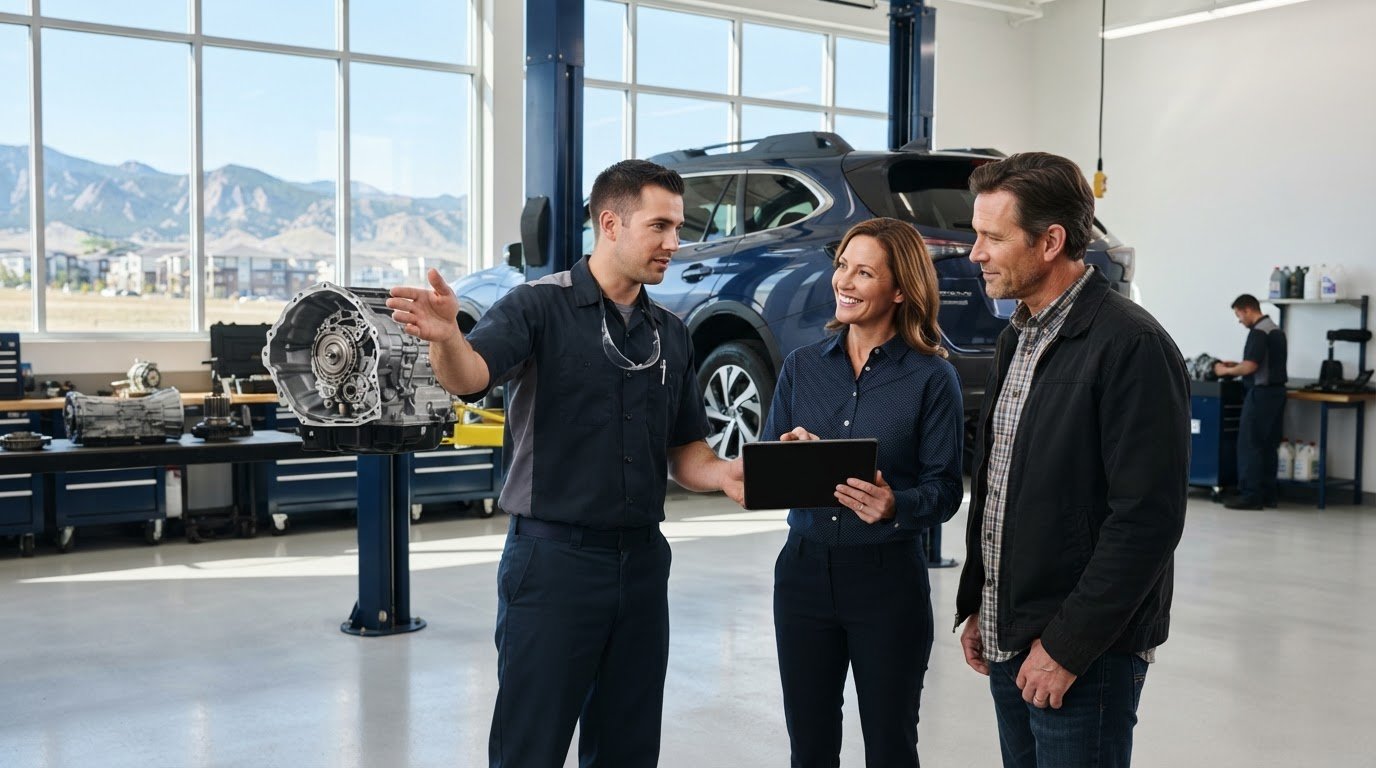
Most folks think of their transmission when their truck or SUV feels “off,” but if you’re driving a 4×4, there’s another major player under your floorboards. The transfer case is the gearbox that enables 4WD engagement by receiving power from the transmission and directing it to both the front and rear axles. Think of it as the “brain” of your drivetrain. It’s the component that decides where power needs to go so you can keep moving when the pavement disappears or the snow starts to pile up. At Eagle Transmission & Auto Repair, we see how vital this system is for our neighbors navigating the unpredictable terrain of the Front Range.
The Role of the Transfer Case in Your Drivetrain
This unit works hand-in-hand with your transmission to ensure your wheels get the torque they need. If you’ve ever asked, what is a transfer case?, it’s helpful to view it as the gatekeeper of your vehicle’s traction. Depending on your vehicle, you might have a part-time system that you shift manually, a full-time 4WD setup, or an All-Wheel Drive (AWD) system that adjusts on the fly. Each one relies on the transfer case to distribute power evenly, which is what provides that crucial stability you feel on icy Parker roads during a January blizzard. When it’s working correctly, you don’t even notice it. When it isn’t, your safety is at risk.
Colorado Factors: Elevation, Cold, and Steep Grades
Why do we see so many 4WD transfer case problems here in Colorado? Our environment is exceptionally tough on machinery. High-altitude driving in the Rockies doesn’t just affect your engine’s breathing; it changes how internal fluids behave under pressure. Rapid temperature swings in Douglas County, where a sunny afternoon can quickly turn into a freezing night, cause seals and gaskets to expand and contract. Over time, this stress leads to leaks that can starve the gears of lubrication. When you’re climbing steep mountain grades or pushing through heavy slush, the internal chains and bearings are under immense load. This heavy usage leads to faster wear than what drivers experience in flatter, milder climates.
At Eagle Transmission & Auto Repair, we don’t believe in just “patching” a symptom. Because the drivetrain is a deeply connected system, a vibration in the transfer case might actually stem from a transmission issue or a failing differential. Our team lives by the motto, “WE FIX EVERYTHING,” which means we take a holistic look at your entire vehicle. We want to make sure that when you head out for a weekend in the high country, your 4WD system is as reliable as the day you bought it.
5 Common Symptoms of 4WD Transfer Case Problems
It’s one thing to hear a stray noise; it’s another to understand what your vehicle is trying to tell you before it leaves you stuck on a muddy trailhead or a snowy driveway. Recognizing the common symptoms of a bad transfer case early can save you from a massive bill and a lot of frustration. If your vehicle is struggling with 4WD transfer case problems, you’ll likely notice one of these five red flags.
- Difficulty Shifting: If you find yourself fighting the lever or the electronic dial to get into 4H or 4L, something is wrong. Gears popping out of 4WD while you’re driving is an even bigger safety concern.
- Vehicle Binding: Does your truck feel like it’s “crow-hopping” or jerking during tight turns on dry pavement? This binding sensation often means the internal gears aren’t syncing correctly.
- Dashboard Warnings: Modern vehicles are smart. A “Service 4WD” or “4WD Check” light is your car’s way of asking for a professional look.
- Strange Noises: Sound is usually the first indicator of trouble.
- Visible Puddles: Fluid on the ground is never a good sign.
Identifying Strange Drivetrain Noises
Noises from your drivetrain are rarely subtle. A sharp grinding sound usually points toward metal-on-metal contact, often caused by a stretched drive chain or worn-down gears. If you hear a consistent humming, it might be a sign of low fluid levels or a bearing that’s starting to fail. A deep growling that gets louder as you speed up is a classic indicator of internal mechanical distress. If you’re hearing anything out of the ordinary while driving through Parker, it’s worth having us take a look. You can find our shop right here in the heart of town to get a quick expert opinion.
Fluid Leaks: The Silent Killer of Transfer Cases
Your transfer case relies on specialized fluid to keep things cool and lubricated. Unlike engine oil, which is usually dark, or transmission fluid, which is typically red, transfer case fluid can vary but often appears as a puddle directly beneath the center of your chassis. Even a tiny leak is dangerous. Without enough fluid, the internal components can reach catastrophic temperatures at highway speeds, leading to total failure. Because this system is so closely linked to your axles, a leak here often suggests it’s time for a differential gear service as well. At Eagle Transmission & Auto Repair, we look at the big picture. Our “WE FIX EVERYTHING” approach means we check the seals, the fluid quality, and the surrounding components to ensure your entire drivetrain is healthy.

Mechanical vs. Electronic Transfer Case Failures
When you’re dealing with 4WD transfer case problems, the first step is figuring out if the issue is in the “muscles” or the “nerves” of the system. Mechanical failures involve the physical parts that do the heavy lifting, while electronic failures happen when the computer and components stop talking to each other. Understanding this distinction helps us at Eagle Transmission & Auto Repair explain exactly what’s happening under your vehicle without using confusing jargon. We want you to feel confident that we’re addressing the root cause, whether it’s a worn-out chain or a stubborn sensor.
Modern vehicles, especially Jeeps and Ford trucks, rely heavily on electronic actuators to engage 4WD. For owners of these specific makes, specialized resources like londonderrydodge.com offer deep expertise into the maintenance requirements of Chrysler, Dodge, Jeep, and Ram drivetrain systems. A common and unsettling issue is the “ghost shift,” where your vehicle tries to switch into 4WD unexpectedly while you’re cruising down E-470. This isn’t just a nuisance; it can cause significant mechanical damage if it happens at the wrong speed. Our goal is to catch these electronic gremlins before they lead to a full mechanical breakdown. Because we live and work in Parker, we know exactly how these systems react to our local driving conditions.
Mechanical Wear: Chain Stretch and Gear Pitting
The mechanical side of your transfer case is built for strength, but it isn’t invincible. If you frequently tow heavy trailers or spend your weekends tackling trails, the internal drive chain can stretch over time. Just like a loose chain on a bicycle, a stretched transfer case chain will slip and make a loud popping or clicking sound under load. We also look for gear pitting, which are tiny craters on the surface of the gears that prevent smooth power transfer. To navigate difficult terrain safely, understanding What is a 4WD Transfer Case and its low-range capability is essential. When these physical parts fail, a rebuild or a complete unit replacement is usually the most reliable path forward.
Electronic Gremlins: Sensors and Actuators
In many modern SUVs, the days of pulling a manual lever are gone. Instead, you have a shift motor or actuator that does the work for you. These little electric motors are exposed to the elements and can seize up, especially with Colorado’s road salt and slush. Sometimes the problem isn’t the transfer case itself but a faulty wheel speed sensor. If one sensor tells the computer a wheel is slipping when it isn’t, the 4WD system might malfunction or refuse to engage. This is why professional diagnostics are so important when troubleshooting 4WD transfer case problems. We use specialized tools to talk to your vehicle’s computer, ensuring we don’t replace expensive mechanical parts when the fix is actually a simple electronic component. At Eagle Transmission & Auto Repair, our “WE FIX EVERYTHING” promise means we have the expertise to handle both the oily gears and the complex wiring.
Protecting Your 4WD: Maintenance Tips for Parker Drivers
Most 4WD transfer case problems don’t happen overnight. They’re usually the result of small issues, like a tiny leak or old fluid, that grow into big headaches over time. Because we live in a place where we rely on our 4×4 systems to get us home safely through Douglas County snow, being proactive is the best way to avoid a tow truck. At Eagle Transmission & Auto Repair, we want to help you stay ahead of the curve with a few simple habits that keep your drivetrain healthy and your repair costs low.
One of the best things you can do is follow the “use it or lose it” rule. During the summer months, it’s easy to forget about your 4WD system entirely. However, the electronic actuators and shift motors can seize up if they aren’t moved for months at a time. Every few weeks, find a flat, dirt road or a straight stretch of pavement and engage your 4WD for a few minutes. This keeps the internal components lubricated and ensures the system is ready to go when the first blizzard hits Parker.
The Importance of Fresh Transfer Case Fluid
Fresh fluid is the lifeblood of your transfer case. As internal parts wear naturally, tiny metal shavings contaminate the fluid and begin acting like liquid sandpaper on your bearings and gears. In Colorado, we often deal with “severe” driving conditions, which include steep mountain grades and rapid temperature changes. These factors mean you should have your fluid checked every 30,000 to 60,000 miles to ensure it hasn’t oxidized or thinned out. It’s a simple fact of physics that transfer case fluid breaks down faster under heavy towing loads, as the increased heat compromises the oil’s ability to protect internal gears. Catching a dark or burnt-smelling fluid early can prevent a full mechanical failure. A professional transfer case service goes beyond a simple fluid swap — it’s a specialized reliability audit that can be the difference between a reliable weekend in the Rockies and a replacement bill that climbs into the thousands.
Tire Diameter and Drivetrain Stress
You might be surprised to learn that your tires have a direct impact on the health of your 4WD system. For a transfer case to work correctly, all four tires must rotate at the exact same speed. If you have uneven tire wear or if you only replace two tires instead of four, the difference in diameter “tricks” the 4WD system into thinking a wheel is slipping. This causes the system to engage or struggle to synchronize, leading to massive internal heat and wear. Maintaining proper tire health isn’t just about traction; it’s also linked to your brake and suspension longevity. Because Eagle Transmission & Auto Repair is built on the promise that “WE FIX EVERYTHING,” we look at these external factors during every inspection. If you’re worried about a new vibration or a strange noise, you can stop by our Parker shop for a quick fluid check and get the peace of mind you deserve.
Professional Transfer Case Service at Eagle Transmission & Auto Repair
When you’re facing 4WD transfer case problems, the last thing you need is a shop that only looks at one piece of the puzzle. At Eagle Transmission & Auto Repair, our “WE FIX EVERYTHING” promise isn’t just a catchy motto; it’s the foundation of how we treat every vehicle that enters our bays. We understand that your transfer case is part of a complex ecosystem. If we find a leak, we don’t just patch it and send you on your way. We look at the transmission, the differentials, and the drive shafts to ensure the entire system is healthy. This holistic view is why Parker families have trusted us with their safety for decades.
There’s a massive difference between a quick fluid top-off at a generic lube shop and a comprehensive drivetrain inspection from a local specialist. While a top-off might hide a symptom for a few days, it won’t catch a stretched chain or a failing electronic actuator before they leave you stranded. We use specialized diagnostic tools tailored for Ford, Jeep, and all major 4×4 makes—and for those with Japanese vehicles, the expertise found at Speedy Roo Motorsports & Repair Inc ensures every technical nuance is addressed. This technical precision prevents you from spending money on repairs you don’t actually need.
Expert Diagnostics in Parker, CO
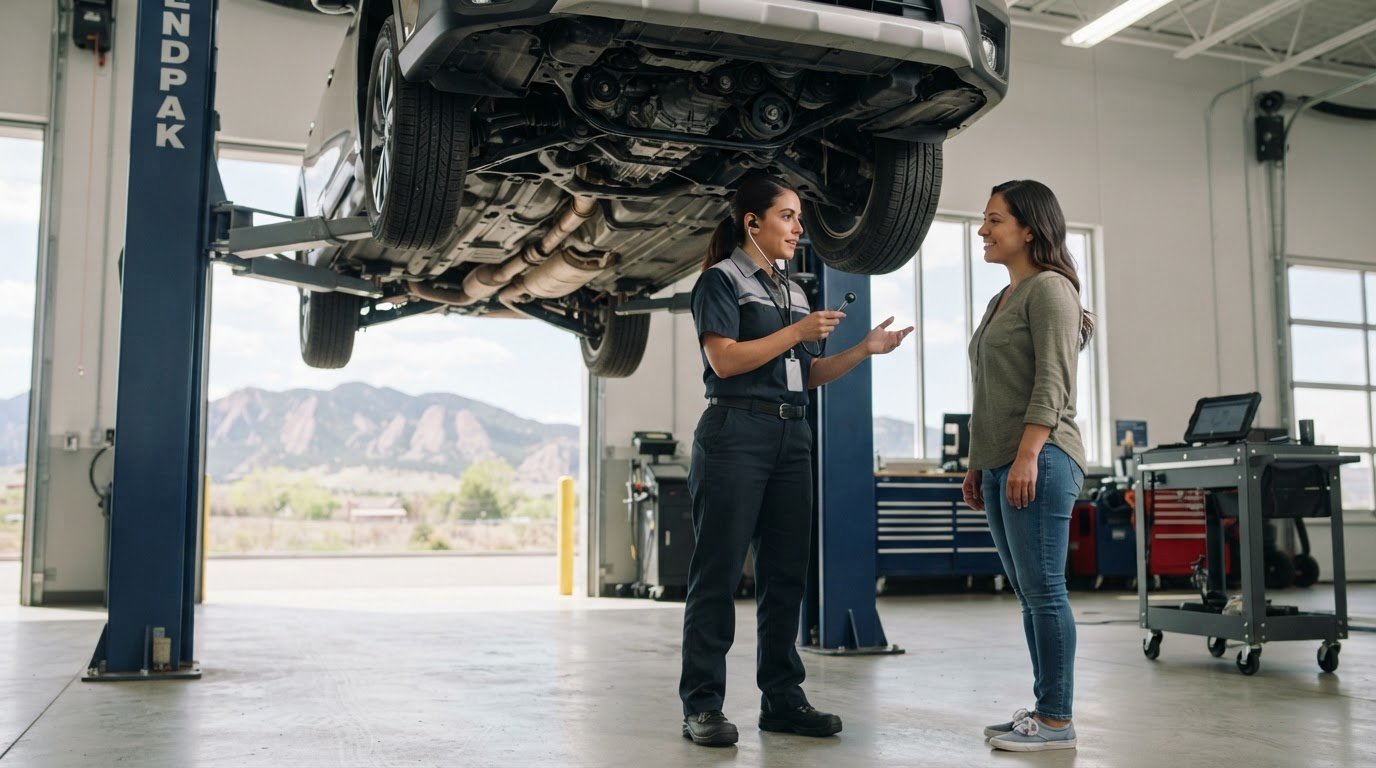
Our diagnostic process is a blend of high-tech computer scanning and old-school mechanical expertise. We start by plugging into your vehicle’s onboard computer to pinpoint electronic faults that might be causing “ghost shifts” or dashboard warning lights. Once we’ve cleared the digital side, our technicians perform a thorough physical inspection. We look for metal shavings in the fluid, check the integrity of every seal, and test the shift motor’s response. If you’re noticing a strange vibration or noise while driving through town, our Parker location is fully equipped to handle the most complex 4×4 issues with transparency and care.
Quality Repairs You Can Trust
Once we’ve identified the issue, we’ll walk you through your options in plain English. Sometimes a transfer case rebuild is the most cost-effective way to get your truck back on the road, while other times a full unit replacement is the safest path forward for long-term reliability. We never push for more than what’s necessary to keep you and your loved ones safe on the road. Our goal is simple: we want you to feel completely confident the next time a Colorado snowstorm hits. Don’t wait until you’re stuck in a drift to find out your 4WD isn’t engaging. Schedule your 4WD inspection today and let our family take care of yours.
Keep Your 4WD Ready for the Road Ahead
Your vehicle’s 4WD system is what gives you the confidence to tackle a steep mountain pass or a snow-covered commute through Douglas County. By staying alert to unusual noises and keeping up with regular fluid exchanges, you can avoid the most frustrating 4WD transfer case problems. We know that navigating the transition from a sunny Parker morning to a freezing Centennial evening puts unique pressure on your drivetrain seals and sensors. That’s why we take a holistic approach to every inspection, ensuring your Ford, Jeep, or truck is truly road-ready.
At Eagle Transmission & Auto Repair, we’ve spent over 20 years serving the communities of Parker, Centennial, and Castle Rock. Our specialized 4×4 expertise and WE FIX EVERYTHING brand promise mean you’ll get an honest, expert diagnosis every time you visit. Don’t let a small leak turn into a major breakdown that leaves you stuck in the cold. Schedule your 4WD transfer case inspection at Eagle Transmission in Parker today! We’re here to help you stay safe and stranded-free, no matter what the Colorado weather throws your way.
Common Questions About 4WD Transfer Case Service
Can I drive my truck if the transfer case is making noise?
You should avoid driving your vehicle if you hear grinding, popping, or loud humming sounds coming from the center of the chassis. These noises are clear warning signs of internal mechanical distress, such as a stretched chain or worn out bearings. Continuing to drive with these symptoms can lead to the wheels locking up or the case housing cracking, which turns a simple repair into a much more expensive replacement.
What does the ‘Service 4WD’ light actually mean?
This light means your vehicle’s computer has detected a communication fault or a mechanical failure within the 4WD system. It doesn’t always signal a total breakdown; it often points to a faulty electronic actuator, a shift motor, or a wheel speed sensor. At Eagle Transmission & Auto Repair, we use specialized diagnostic tools to read the specific trouble codes and identify the exact component that needs professional attention.
How often should I change my transfer case fluid in Colorado?
We recommend changing your transfer case fluid every 30,000 to 60,000 miles, though Colorado’s steep grades and heavy snow often require more frequent attention. The extreme heat generated during mountain climbs causes fluid to oxidize and lose its protective qualities faster than in flatter regions. Regular fluid exchanges are your best defense against 4WD transfer case problems caused by metal contamination or lubrication failure.
Will a bad transfer case affect my transmission?
Yes, a failing transfer case can put significant stress on your transmission and the rest of your drivetrain. Because these units are physically connected, a vibration or mechanical bind in the transfer case can travel through the shafts and damage transmission seals or bearings. Our “WE FIX EVERYTHING” philosophy means we always check the surrounding components to ensure a transfer case issue hasn’t caused secondary damage elsewhere.
Is it normal for my 4WD to be hard to engage in cold weather?
While freezing temperatures can make drivetrain fluids thicker and shifting slightly stiffer, the system should still engage relatively smoothly. If you find yourself fighting the lever or dial during a Parker snowstorm, it’s likely a sign of moisture contamination or a seizing electronic shift motor. It’s best to have us inspect the system rather than forcing it, which can break internal shift forks or sensitive electronic linkage.