A steering or suspension concern on a Ford F-350 deserves more than a guess. A Ford F-350 repair shop in Parker can use diagnostic equipment and a hands-on inspection to assess steering, suspension, and transmission symptoms, then identify what needs attention. The F-350 has a six-speed automatic transmission, and its engine options include a 6.2-liter V8 and an available 6.7-liter turbocharged V8 diesel.
It’s understandable to want a clear explanation before deciding on a repair, especially when a heavy-duty truck feels different on the road or at work. A thorough assessment connects what you notice, such as loose steering, unusual suspension movement, or shifting changes, with the components that may be involved. One symptom alone does not always identify the cause.
This article explains how diagnostic equipment and inspection help narrow down possible issues, what steering, suspension, and transmission assessments can involve, and why regular maintenance matters. You’ll also learn what information can help technicians understand the concern and how to approach the next step with a clearer picture of your F-350’s needs.
Key Takeaways
- Notice how steering feel, suspension movement, and shifting behavior can help describe the concern during an inspection.
- Learn why diagnostic testing and a broader vehicle assessment can help distinguish related symptoms from separate problems.
- Use review details to look for clear communication about diagnosis and repair, rather than relying on ratings alone.
- Compare service options by the work your F-350 needs and the information provided about the recommended repair.
- Keep the shop’s contact details and weekday hours handy when planning your next service visit in Parker.
Technician qualifications and diagnostic equipment
A Ford F-350 symptom needs diagnosis, not a guess based on one clue. Ask what qualifications a technician holds and how testing will support the repair recommendation. A credential alone cannot identify why an F-350 pulls, bounces, or shifts poorly. The useful part is connecting the driver’s concern with findings and explaining the next step clearly.
Describe the concern as specifically as you can: when did it begin, and under what conditions does it happen? Steering looseness during a turn differs from a shake over rough pavement. Mention whether the truck behaves differently under load or at a particular speed. These details help focus the inspection on relevant components instead of treating every vibration as the same fault.
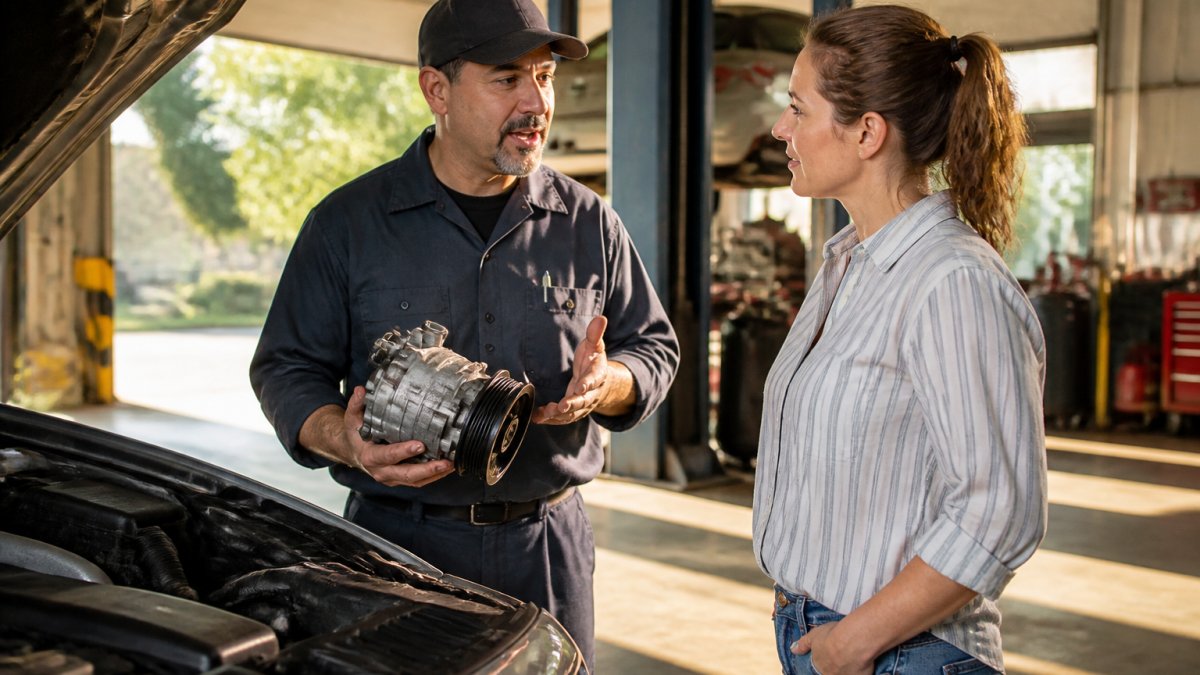
A scan tool can retrieve trouble codes and show available system data. A code points to a monitored condition, but it does not prove that the named component has failed. A technician can compare the code with the symptom, inspect related wiring and connections, and perform additional tests. The results should support the diagnosis before a part is chosen for replacement.
Power Stroke engine diagnostics also depend on the engine and the concern. The F-350’s available 6.7-liter turbocharged V8 diesel differs from its 6.2-liter V8, so identifying the engine helps frame the assessment. A starting concern, warning light, loss of power, or unusual sound can involve different systems. Testing should connect the symptom with inspection findings before repair options are discussed.
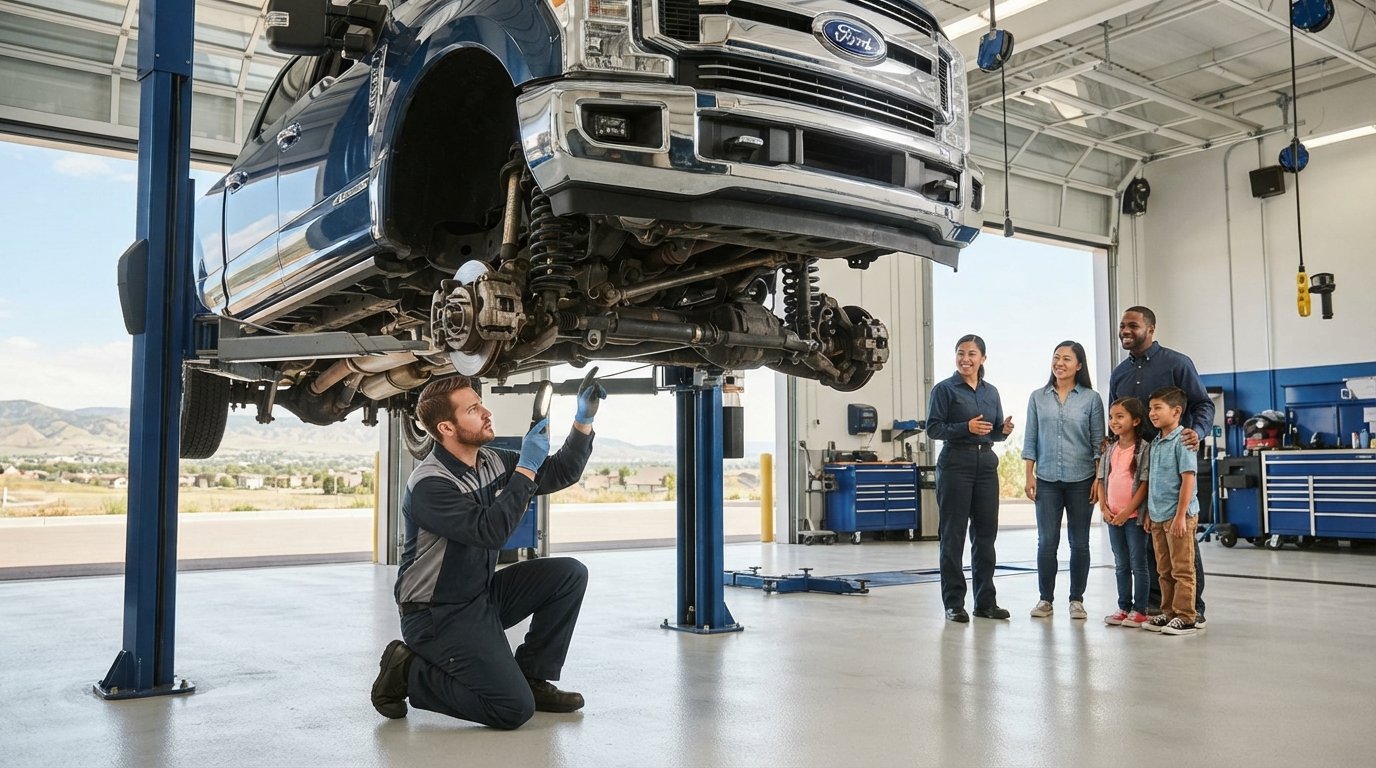
For steering and suspension concerns, an inspection can check for visible wear, looseness, damage, and unusual component movement. A pull, uneven steering feel, or repeated bouncing can have several causes. Comparing your description with the inspection findings helps distinguish a steering concern from a suspension problem or another source. One symptom alone does not identify a failed part.
Ask for a plain explanation of the finding, the test supporting it, and the proposed repair. Those details help you understand why the recommendation fits the F-350. For related drivetrain concerns, Ford truck drivetrain repair information can help explain how drivetrain symptoms differ from engine or steering concerns.
At Eagle Transmission & Auto Repair, we explain the recommended work before you decide how to proceed. Ask about the parts and labor involved, the scope of the repair, and any applicable coverage terms before authorizing work.
Ford F-350 transmission repair Parker CO
The Ford F-350 uses a six-speed automatic transmission, and shifting symptoms can come from several different causes. Slipping, delayed engagement, harsh shifts, or unusual noise are useful clues, but none identifies a failed part by itself. Note when the symptom occurs, such as during a cold start, acceleration, or towing. Those details help focus diagnosis on the conditions that bring the concern forward.
A transmission assessment generally begins with your description of the concern and a review of the truck’s service history. A technician may scan for diagnostic trouble codes, inspect the transmission fluid, and check for visible leaks or damaged connections. Codes point to recorded conditions, not automatic proof that a particular component needs replacement. Test results and physical findings should fit the symptom before the repair plan becomes clear.
Fluid condition can provide useful context. A low level or visible leak may affect operation, while unusual appearance or odor can support further investigation. Fluid alone, however, does not reveal the transmission’s full condition. A careful assessment also considers engagement, shift behavior, electronic controls, and other drivetrain components that can produce similar symptoms.
Keep track of specific changes instead of describing every concern as “shifting badly.” For example, note whether the F-350 hesitates before moving from Park into Drive, shifts roughly during acceleration, or slips under load. Also record whether a warning light appears and whether the symptom changes after the truck warms up. These observations help connect test findings to real driving conditions.
Repair options depend on what inspection and testing reveal. The concern may involve fluid service, an external connection, an electrical control, or internal transmission components. If internal damage is found, its extent and location help shape the repair recommendation. The shop should explain what evidence supports the proposed work and distinguish confirmed findings from possible causes.
Ask how the diagnosis was reached, which findings matter most, and what repair alternatives fit the F-350’s condition. If the truck also has a driveline vibration or noise, ask whether the symptom could involve another part of the drivetrain rather than the transmission itself. Separating those causes can prevent a repair plan from being based on a symptom alone.
Write down the symptom and any changes before arranging an inspection. If shifting behavior is changing, a transmission assessment can clarify what needs attention; you can get directions to the Parker repair location when planning your visit.
A thorough inspection can identify concerns that may become more costly if left unaddressed. Use it to clarify the issue before deciding how to proceed, rather than waiting for symptoms to worsen. Share the driving conditions you observed and ask which findings are confirmed, which remain uncertain, and whether anything needs prompt attention.
Before approving work, make sure the recommended repair matches the evidence gathered during diagnosis. A clear explanation helps you understand the proposed scope and decide on next steps for your truck. Keep the inspection findings with your service records so they are available when evaluating future concerns.

Ford F-350 repair shop reviews and ratings Parker CO
Reviews can help you compare repair shops in Parker, but a rating alone won’t explain whether a shop can address your Ford F-350 concern. Read the written comments for details about diagnosis, communication, and the repair experience. A review mentioning a clear explanation of a shifting problem gives more context than a score without specifics.
Start by looking for comments about trucks and the type of work you need. An F-350 owner with a steering concern has different needs from someone seeking transmission diagnosis. Look for reviews that describe similar symptoms or repair categories, then consider whether the comments explain what happened, rather than simply praising or criticizing the visit.
Use a practical reading checklist:
- Does the review name a vehicle or system, such as an F-350 transmission or steering concern?
- Does it describe how the repair recommendation was explained?
- Does it mention updates, questions, or communication during the visit?
- Does the response address the reviewer’s specific concern?
Patterns across several reviews may be more informative than one unusually positive or negative account. Repeated mentions of clear explanations, for example, can suggest a communication style, while recurring comments about unclear recommendations may be worth noting. Reviews reflect individual experiences, so use them as context, not as a guarantee of what your repair will involve.
Notice how a shop responds to a critical review. A helpful response stays professional, addresses the concern, and avoids sharing private vehicle details. A reply that invites a direct conversation, for example, may show an effort to resolve an issue. A defensive or dismissive tone can signal what to expect from future communication.
Check how recent the comments are and whether the shop’s responses remain consistent over time. A review from an earlier period may not describe the current experience. Also look for detail: “the F-350’s shifting concern was explained” offers more context than a short comment with no vehicle or repair information.
Reviews cannot diagnose your truck or confirm that a particular repair is needed. Use them to prepare focused questions for a service conversation. For example, ask how a technician will distinguish a transmission concern from a driveline symptom and which findings would support the recommended work.
When comparing repair options in Parker, balance written feedback with the clarity of the answers you receive about your F-350. Look for a specific explanation of the concern, the diagnostic findings, and the proposed next step. That gives you a practical basis for deciding whether the repair plan addresses the problem you brought forward.
Ford dealer service vs independent Ford truck repair Parker CO
For a Ford F-350 in Parker, the right choice depends on the repair, the diagnostic explanation, and the service terms. A Ford dealership and an independent repair shop may both be options, but compare the work each recommends rather than choosing by label alone. For example, a transmission concern calls for a clear explanation of the symptom, test findings, and proposed repair.
Start by defining the job. Is the F-350 showing a warning light, shifting differently, or developing a steering concern? A specific description helps both a dealership and an independent shop understand what needs assessment. Include when the symptom occurs, such as during acceleration or while turning, and whether it changes under load.
Compare the diagnostic plan, too. Ask which checks can distinguish the suspected system from related causes. A transmission symptom, for instance, may require more than a code reading. The explanation should connect the truck’s behavior with inspection or test results, rather than treating one clue as proof of failure.
Review the proposed work before authorizing it. A clear estimate or repair explanation identifies the affected system, the recommended action, and any alternatives that fit the findings. If major transmission work is recommended, ask what evidence supports that scope and how the shop ruled out a separate drivetrain concern.
Use these questions to compare options in Parker:
- What diagnostic steps will address the F-350’s specific symptom?
- Which findings support the recommended repair?
- Are there other possible causes that testing needs to distinguish?
- What parts and labor terms apply to the proposed work?
- How will the shop explain changes if inspection reveals a different issue?
Ford dealer service may suit drivers who prefer to have repairs handled at a dealership. An independent Ford truck repair shop may suit owners seeking another repair option. Neither label alone shows whether the diagnosis matches your truck’s condition. The written explanation and relevance of the repair plan matter more than broad claims.
For an F-350 with a 6.7-liter turbocharged V8 diesel, identify the engine when describing a concern. The truck is also available with a 6.2-liter V8, so accurate vehicle details help frame the discussion. Share relevant service records and describe any recent change, such as new shifting behavior after towing.
Finally, compare the answers you receive, not just the initial recommendation. A helpful conversation explains what is known, what needs testing, and why the proposed repair fits the evidence. That gives you a practical basis for choosing a Ford repair option in Parker while keeping the F-350’s actual symptoms at the center of the decision.
Ford F-350 repair shop hours, address, and phone Parker CO
For an F-350 repair visit in Parker, use the exact address: 10189 Parkglenn Way, Parker, CO 80138. The listed hours are 8:00 AM to 6:00 PM, Monday through Friday. Closed Saturday and Sunday. Planning around that schedule helps you choose a weekday for calling or discussing a visit.
Call (720) 778-1888 to describe the truck’s concern and discuss the next step. Before calling, write down the F-350’s model year and whether it has a gasoline or diesel engine, if you know. Include the main symptom, such as a steering change, a suspension noise, or a shifting concern.
A useful description answers three questions: what changed, when did you notice it, and under what conditions does it happen? For example, note whether a steering concern appears during turns or a sound occurs over bumps. Clear observations keep the conversation focused on the specific issue.
If the symptom comes and goes, record the conditions each time it appears. Note whether the truck was starting, accelerating, turning, or carrying a load. Avoid guessing which part has failed. Describing what you felt or heard gives the technician a more useful starting point than naming a repair before the truck is assessed.
Gather service records or notes related to the current concern. A previous repair, fluid service, or recent change in vehicle behavior may provide useful context. If you don’t have records, write a brief timeline of when the symptom began and whether it has changed since then.
For a warning light, note which indicator appeared and whether it stayed on or returned after restarting the F-350. Don’t rely on memory alone if the dashboard message disappears. Write down the wording or take a photo while parked safely, so you can describe the alert accurately during your call.
Keep the Parker address and phone number together in your notes or contacts. That makes them easier to find when planning a weekday visit or following up about the truck. Since the location is closed on weekends, use the listed weekday hours to discuss your F-350’s needs.
When you’re ready to plan a visit, get directions to 10189 Parkglenn Way. Call during the listed hours with your notes and vehicle details, and explain which symptom you want assessed. That preparation can make the first conversation more specific and useful.
Eagle Transmission & Auto Repair: Transmission Repair
Eagle Transmission & Auto Repair can help when your Ford F-350 develops shifting concerns, needs transmission service, or requires further engine assessment. A clear description of the symptom, such as delayed engagement or slipping under load, helps frame the diagnostic conversation.
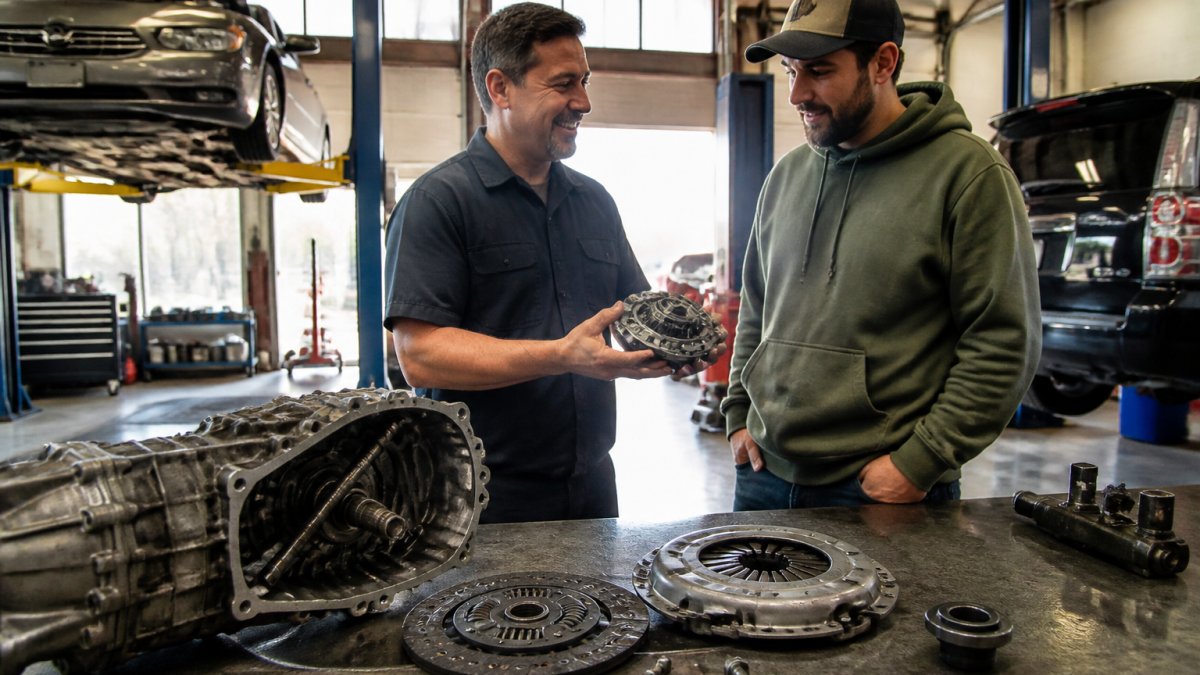
Transmission repair and transmission service address different needs. An inspection can help determine whether the concern involves maintenance, an external issue, or transmission components that need repair. For a manual vehicle, clutch replacement may be relevant if clutch operation is part of the problem. The recommended work should reflect the findings, not just one symptom.
Explore transmission repair in Parker for details about this service. For help with your F-350, contact Eagle Transmission & Auto Repair at (720) 778-1888 or visit parkertransmissionrepair.com.
Take the Next Step for Your F-350
Before arranging service, decide what you most want clarified about your F-350. You might need to understand whether a handling change relates to steering or suspension, or whether a shifting concern needs transmission attention. Bringing one clear question to the conversation can help keep the discussion focused on your priorities and the truck’s symptoms.
A Ford F-350 repair shop in Parker can be a useful next step when you want those concerns assessed and explained in practical terms. Share what you have noticed, then ask what the findings mean for your truck and what options follow. You don’t need to identify the failed part yourself. Clear observations are enough to begin a useful conversation about the vehicle.
For help with your F-350, contact Eagle Transmission & Auto Repair to discuss an inspection or repair consultation. You can get directions to the Parker location and plan your next step. A straightforward conversation can help you move from uncertainty toward a clearer understanding of your truck’s needs.
Frequently Asked Questions
Where can I find Ford F-350 repair shops in Parker, Colorado?
For Ford F-350 service in Parker, look for a shop that can assess the specific system causing trouble, whether it’s steering, suspension, the engine, or transmission. Eagle Transmission & Auto Repair provides Ford repair and general truck repair. Share the truck’s symptoms and relevant service history so the shop can understand what you’ve noticed and identify an appropriate diagnostic next step.
Are there Ford F-350 diesel repair shops near Parker, CO?
Yes. Eagle Transmission & Auto Repair provides diesel diagnostics and repair, including Ford Power Stroke service. When describing your F-350’s concern, note whether it involves starting, engine performance, a warning light, or another change. If you know the engine type, mention it; that detail can help frame the diagnostic discussion. You can also describe when the symptom appears, such as during acceleration or under load.