
Last Updated: November 8, 2026
Quick Summary
A grinding noise when turning usually points to a worn wheel bearing, CV joint, or brake component, and it often gets louder as you turn more sharply. Note whether the noise appears only when turning or also when braking, and which direction makes it louder. Have a Parker, CO shop like Eagle Transmission & Auto Repair inspect it before the wear gets worse.
- Louder turning one direction often means the bad part is on the opposite side.
- A noise that tracks vehicle speed usually comes from a bearing, axle, or brake.
- Stop driving if a wheel feels loose or steering suddenly becomes heavy.
- Cold Colorado mornings can make a marginal bearing or pump noisy for the first few minutes.
- Call (720) 778-1888 to schedule a diagnosis at our Parker shop, open Monday through Friday.
Table of Contents
- Grinding Noise When Turning: Step-by-Step Troubleshooting
- What Causes a Grinding Noise When Turning Right or Left
- Is It Safe to Drive With a Grinding Noise? Schedule Your Parker Inspection
- Frequently Asked Questions
Grinding Noise When Turning: Step-by-Step Troubleshooting
A grinding noise when turning usually points to a worn wheel bearing, CV joint, or brake component, and it often gets louder as you turn more sharply. If the grinding also shows up when you brake, learn the warning signs and risks of brake-related grinding. If you hear it in Parker, start with these checks in a safe, parked spot with the engine running.
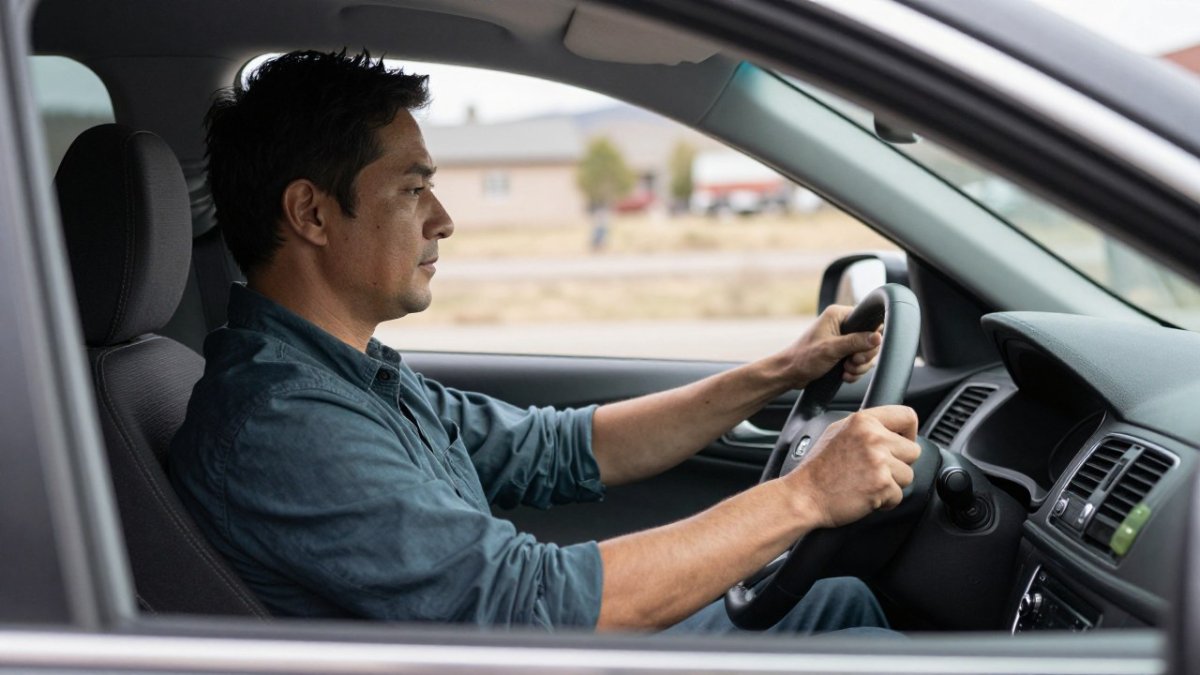
- Note when it happens. Only turning, or also braking or driving straight?
- Check direction. Turn slowly left, then right, and listen for which way it gets louder.
- Test at low speed. Drive slowly in an empty lot and turn gently to isolate the sound.
- Look at the tires and wheels. Check for uneven wear, loose lug nuts, or debris near the brakes.
- Check power steering fluid. Low fluid can cause groaning or grinding during turns.
- Note other symptoms. Vibration, pulling, or a warning light helps narrow the cause.
What Causes a Grinding Noise When Turning Right or Left
Most grinding-while-turning complaints trace back to one of five systems. Match when the noise happens and which side it comes from to the part most likely at fault.
- Wheel bearings. A worn bearing produces a low grind or hum that grows with speed and usually gets louder when you turn away from the bad side.
- CV joints and axles. A torn boot lets grease escape and grit in, so the joint clicks, pops, or grinds, most noticeably during sharp, low-speed turns.
- Drivetrain parts. On trucks, 4x4s, and all-wheel-drive vehicles, a worn differential, transfer case, or universal joint can grind under turning load. Our guide to Ford truck drivetrain repair in Parker explains these components and the service options available.
Matching the Noise to the Likely Cause
Use this quick reference to narrow things down before you call a shop. It is a starting point, not a diagnosis.
| When you hear it | Where it seems to come from | Likely system |
|---|---|---|
| Louder turning one direction, hums at speed | One corner, felt through floor or wheel | Wheel bearing |
| Clicking or grinding at full lock, low speed | Front axle area | CV joint or axle |
| Scrape that continues straight, changes with braking | Wheel/brake area | Brake pads, rotor, or caliper |
Why Direction and Speed Matter
A noise that only appears turning right points to the left-side components carrying the extra load, and the reverse is true turning left. Noise that tracks vehicle speed usually means a rotating part, bearing, axle, or brake, while noise that tracks engine speed points toward the power steering pump.
Colorado conditions add a wrinkle. If whining or grinding under turning load points to the rear end, see our page on rear differential repair in Parker.
Is It Safe to Drive With a Grinding Noise? Schedule Your Parker Inspection
A grinding noise is your vehicle telling you something is wearing. Our grinding brakes repair guide for Parker, CO covers the common causes, from worn pads to rotor damage, and why prompt expert repair matters locally. Whether you can drive it to our Parker shop or should stop and arrange a tow depends on what else is happening.
Stop Driving and Arrange a Tow If You Notice Any of These
- Wheel looseness or wobble. If a wheel feels loose or the vehicle shudders badly at speed, do not drive it.
- Loss of steering assist. If steering suddenly becomes heavy, pull over safely and call for a tow.
- Brake problems. A grind paired with a soft pedal, pulling under braking, or a burning smell needs immediate attention.
You Can Usually Drive Carefully to a Shop If
- The noise is mild and only appears during sharp, low-speed turns.
- Steering and braking feel normal.
- There is no vibration, pulling, or warning light.
- The noise has not gotten noticeably worse over the past few days.
Even then, keep the trip short, avoid highway speeds, and skip towing or heavy loads until the vehicle has been inspected.
What Our Inspection Covers
When you bring the vehicle to our Parker shop, we work through the systems most likely to cause a turning grind:
- Road test. We reproduce the noise and note direction, speed, and whether braking changes it.
- Brake check. We measure pad thickness, inspect rotors for scoring, and confirm calipers release properly.
- Wheel play check. We lift the vehicle and rock each wheel to feel for bearing looseness.
- CV boot and axle inspection. We look for torn boots, flung grease, and play in the joints.
- Steering and suspension check. We inspect tie-rod ends, ball joints, strut mounts, and power steering fluid.
- Drivetrain check on 4×4 and all-wheel-drive vehicles. We check differential and transfer case fluid and listen for bind during tight turns.
We diagnose the source before recommending any repair. When you are ready to book, you can review our brake replacement service in Parker, CO and how we handle diagnostics.
Scheduling Your Inspection in Parker
Eagle Transmission & Auto Repair is located at 10189 Parkglenn Way, Parker, CO 80138, and we serve drivers from surrounding communities. Call (720) 778-1888 to schedule a diagnosis, or stop by Monday through Friday from 8:00am to 6:00pm.
If you are not sure whether your vehicle is safe to drive, call us first and describe what you are hearing, we can help you decide whether to drive in or arrange a tow.
Frequently Asked Questions
Why does it sound like metal grinding when I turn?
A metal-on-metal grinding sound while turning usually means a part is worn, loose or out of alignment. Worn CV joints often produce a grinding or clicking noise on sharp turns, while failing wheel bearings tend to hum or grind that changes with speed and load. Brake components can also grind when the pads or rotors are worn through. Because these causes overlap, a hands-on inspection is the most reliable way to identify the source. Our Parker shop can road test your vehicle and check the steering, suspension, brakes and drivetrain to narrow it down.
Is it safe to drive with a grinding noise?
Driving with a grinding noise is not recommended until the cause is known. A worn CV joint can fail suddenly and leave you without drive power, while a failing wheel bearing can affect steering and braking stability. Worn brake parts reduce stopping performance, which matters on Colorado’s mountain roads and in stop-and-go commuting. If the noise is loud, gets worse, or comes with vibration, pulling or a warning light, avoid driving the vehicle and have it towed or inspected promptly. Call our Parker shop at (720) 778-1888 to discuss your options.
What causes a grinding noise when turning left and accelerating?
A grinding noise that appears when you turn left and accelerate often points to the drivetrain, most commonly a worn CV joint on the axle. Acceleration puts load on the joint, which can make a worn one more noticeable during a turn. Wheel bearings and brake components can also change sound under load. Note whether the noise happens only on one side, how fast you are going and whether it stops when you coast. Those details help a technician narrow the cause during diagnosis at our Parker, Colorado shop.


