A transmission runs hot when it makes more heat than its fluid and cooler can carry away. The usual reasons are heavy towing, slow traffic in summer heat, worn or low fluid, a restricted cooler, or parts inside slipping. The fix depends on which one it is, and that is why a proper diagnosis comes first. At Eagle Transmission & Auto Repair, every job starts with a free diagnostic that includes a road test and a computer scan, so you know what is happening before you spend anything.
This guide is written for everyday drivers around Parker, Lone Tree, Castle Rock, Castle Pines, Highlands Ranch, Centennial, Aurora, Franktown and Elizabeth. It explains the warning signs in plain words, the common causes, what to do if a warning comes on while you drive, and how to keep it from happening again.
Key Takeaways
- Transmission fluid does two jobs: it lubricates and it carries heat away. When it is low, worn out or can’t reach the cooler, the heat builds up fast.
- Dashboard warnings, a burned smell, dark fluid, delayed or harsh shifts and reduced power are all signs worth acting on early.
- If a warning appears, pull over safely, put the vehicle in Park with the engine running, and let it cool. Then get it checked before you drive on.
- Towing, climbing grades and slow summer traffic add heat. Colorado drivers meet all three, so maintenance matters here.
- Our free diagnostic starts with a road test and computer scan, and repairs only go ahead with your approval.
Table of Contents
- What “Overheating” Means for a Transmission
- Warning Signs of an Overheating Transmission
- What Causes a Transmission to Overheat
- Why Colorado Driving Makes This More Likely
- What to Do When the Warning Comes On
- Is It Safe to Keep Driving or Should You Tow?
- How Overheating Gets Fixed
- Keeping Your Transmission Cool Over the Long Run
- How Eagle Transmission & Auto Repair Helps
- FAQ
- Ready When You Are
- Sources
What “Overheating” Means for a Transmission
An automatic transmission is full of fluid that does more than most drivers realize. It lubricates gears and clutches, it carries the pressure that makes shifts happen, and it moves heat out to a small radiator called the transmission cooler. When the fluid gets too hot, it breaks down and stops protecting the parts around it.
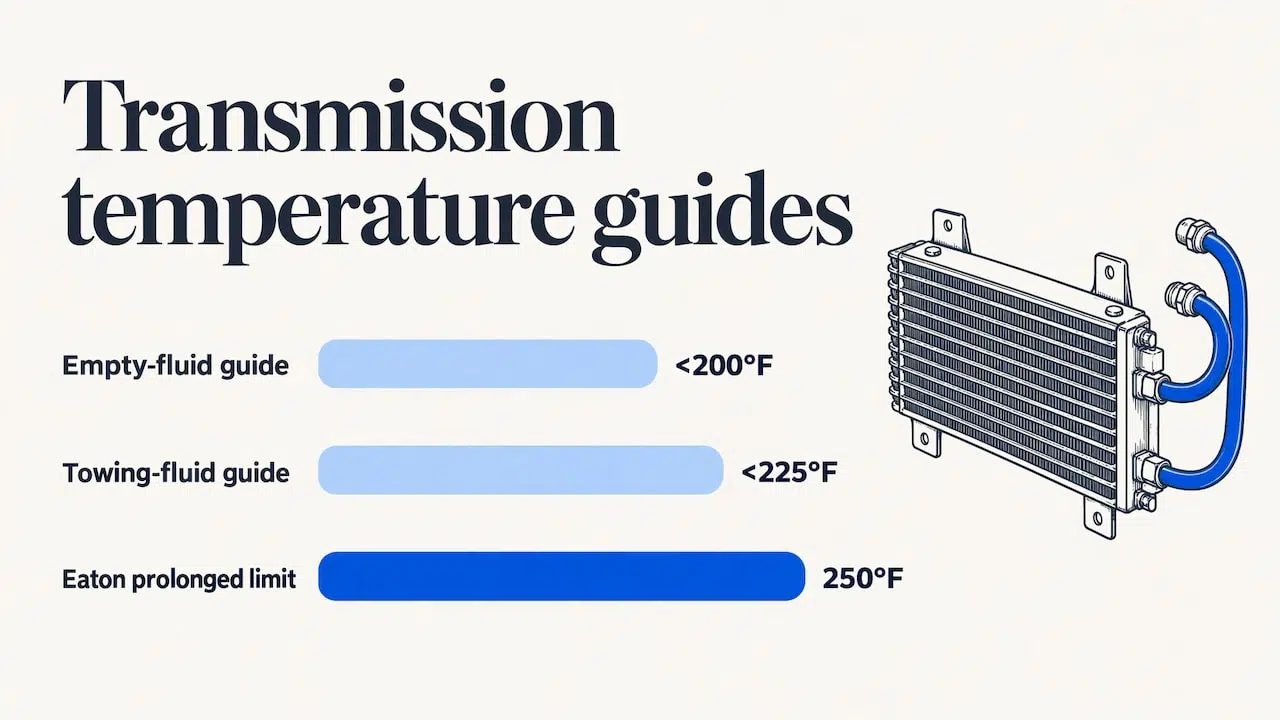
How hot is too hot? Numbers vary by vehicle, so your owner’s manual is the final word. As a general guide, one report on the Toyota Tundra cooler discussion notes that conventional wisdom puts fluid below 200°F when empty and below 225°F when towing, with towing adding around 35 degrees. For heavy duty truck transmissions, the maker Eaton says operating temperature should not stay above 250°F for an extended period or the oil breaks down and shortens transmission life. You don’t need to memorize those figures. The point is that heat is the enemy of the fluid, and the fluid is what protects the transmission.
Warning Signs of an Overheating Transmission
Many newer vehicles tell you directly. Kia’s owner’s manual explains that if the transmission keeps overheating, a self protection mode limits vehicle power and shows a message, and that ignoring the warning can lead to abrupt shifts, frequent shifts or jerkiness. Normal driving returns once the system reports that the transmission has cooled.
Hyundai’s dual clutch models work the same way in spirit. Their manual says that repeated launches on steep grades or sudden acceleration can raise temperature, and that when the “Transmission hot! Park with engine On” message appears, the clutch is disabled until the transmission cools in Park with the engine running.
Even without a message, watch for these:
- A temperature warning light or message on the dash.
- A burned smell coming from under the vehicle after a long climb or a tow.
- Slipping, where the engine revs rise but the vehicle doesn’t pick up speed the way it should.
- Hard, delayed or jerky shifts, especially after the vehicle has been working hard.
- Reduced power, where the vehicle feels held back on purpose.
- Whining or buzzing noises that weren’t there before.
- Fluid that looks dark or smells burned when a technician checks it.
If you’re already seeing slipping or rough shifting, our guide to the signs your transmission is going bad walks through what each symptom usually points to.
What Causes a Transmission to Overheat
Heat is produced any time the transmission works, so overheating usually means something raised the heat or lowered the cooling. These are the common reasons.
Low or worn out fluid
Fluid that is low can’t lubricate or cool properly. Fluid that is old has lost some of its ability to carry heat. Either way, parts run hotter. A fluid leak is often the reason for low fluid, so a drip under the vehicle is worth looking at early. Regular transmission fluid service is one of the simplest ways to keep heat under control.
Towing and heavy loads
Pulling a trailer or hauling a full load makes the transmission work harder, and the torque converter (the fluid coupling that connects the engine to the transmission) slips more under load. That slip turns into heat. If you tow, a trailer inspection checklist helps you confirm the trailer, hitch and load are in order before you leave, so the vehicle isn’t asked to do more than it should.
Slow traffic and hot weather
When you crawl along in summer heat, the transmission keeps producing heat while little air moves across the cooler. Hyundai’s manual specifically names repeated starts and stops on grades as something that raises temperature. Manufacturers treat this kind of driving as hard use, which is why many owner’s manuals shorten the fluid service interval for it.
A restricted or weak cooler
The cooler and its lines can clog or become too small for the job. Equipment World’s technical article on trouble code P0218 (the code for transmission over temperature) says the code sets when fluid goes above about 240 to 260°F for a long period. It also says cooler flow should be at least one quart in 20 seconds, with a drop in temperature across the cooler. A technician has the tools to test that. You don’t need to.
Slipping parts inside
Worn clutches, a failing torque converter or sticking solenoids (small electric valves that control shifting) all create friction. Friction makes heat, and heat wears the parts more. It is a loop. Our page on a bad torque converter explains one of the most common internal causes.
Engine and exhaust heat, or a bad sensor
The transmission doesn’t heat up alone. The same P0218 article lists an overheating engine, an exhaust routed too close to the transmission, and a faulty temperature sensor among the possible causes. Sometimes the transmission is the messenger, not the problem. If your engine temperature is also rising, our guide to car overheating diagnosis in Parker is worth a read.
Why Colorado Driving Makes This More Likely
Front Range driving has a few habits that add heat. Long climbs out of the Parker and Castle Rock area toward the foothills ask for steady power from the transmission. Summer afternoons on I-25 and E-470 can slow to a crawl between Lone Tree, Centennial and Aurora. Trucks and SUVs that haul trailers, campers or gear up to the mountains carry extra load on those same grades. Cold winter starts matter too, because thick fluid doesn’t flow as easily until the vehicle warms up.
None of that means your vehicle is in trouble. It means a driver here benefits from checking fluid condition on schedule and paying attention to the first sign of a warning. Our driver checklist for extending transmission life covers the habits that help.
What to Do When the Warning Comes On
Stay calm and follow your manual. Kia’s instructions for a transmission overheat warning are a good model for most vehicles: pull over, stop with the engine running, apply the brake, shift to Park and let it cool. Here is how that looks in practice.
- Find a safe place to stop. Use a shoulder, a parking lot or a side street. Turn on your hazards.
- Put the vehicle in Park and keep the engine running, unless your manual says otherwise for your model. The running engine keeps fluid moving through the cooler.
- Give it time. Many vehicles clear the warning once things cool down. Check your dash for the message that tells you it is okay to resume.
- Turn off extra load. If you’re towing, don’t hitch back up and head out hard right away.
- Call us before driving on if the warning returns or the vehicle shifts badly. A warning that repeats is telling you something needs attention.
Please don’t open the hood and start poking around a hot engine bay. Hot fluid and hot parts can burn you. Wait for things to cool, or leave it to a technician.
Is It Safe to Keep Driving or Should You Tow?
A warning that cleared after a short cooldown, with normal shifting afterward, is a reason to book a check soon. Keep trips short and gentle until then, and skip towing.
A tow is the safer choice if any of these apply:
- The warning comes back soon after you restart.
- The vehicle won’t move properly, or power stays limited.
- Shifts are harsh, delayed or slipping.
- You smell something burned that doesn’t fade.
- You see fluid pooling under the vehicle.
Driving a hot, slipping transmission can turn a repair that might have been small into a larger one. Towing protects your options. Eagle offers emergency towing, and we include complimentary local towing with repair, so you aren’t stuck choosing between a risky drive and a surprise bill. Call (720) 778-1888 during business hours and we will tell you how to get the vehicle to us.
How Overheating Gets Fixed
The repair follows the cause. A shop that guesses at the answer can waste your money, so the order matters.
- Diagnosis first. A road test shows when and how the problem appears. A computer scan reads the codes the vehicle has stored, such as an over temperature code. A technician then checks fluid condition and looks for leaks.
- Fluid service. If the fluid is low or worn out, a service with the right fluid for your vehicle often restores proper cooling.
- Cooler and line work. If flow is restricted, the cooler may need cleaning, repair or replacement. Our page on transmission cooler installation explains how to think through the options when a vehicle tows or works hard.
- Sensor and electrical repairs. If a sensor is giving false readings, replacing it is much smaller than rebuilding a transmission.
- Internal repair. When clutches, a torque converter or other parts have worn from heat, the transmission may need repair, a rebuild or replacement.
A cooler matters for the repair as well. Eaton’s driver instructions say that if high temperatures recur under unusual operating conditions, a cooler should be added or cooling capacity increased. That guidance is written for heavy duty transmissions, but the idea carries over: fix the cause of the heat, not only the damage it left.
Keeping Your Transmission Cool Over the Long Run
A few habits go a long way:
- Follow the fluid service schedule in your owner’s manual, and use the shorter schedule if you tow, drive in heavy traffic or haul loads.
- Stay inside your vehicle’s towing and payload ratings.
- Fix leaks when you first notice them.
- Ease off when you’re climbing a long grade in summer heat instead of pushing hard.
- Pay attention to any dash warning, even if it clears.
- Keep up with engine cooling system maintenance, since a hot engine adds heat to everything near it.
If you run a business with a fleet of vans, trucks or service vehicles, these habits matter even more. Vehicles that idle, stop and start all day and carry loads are the ones that run hot. Our fleet service and preventative maintenance programs are built around keeping those vehicles on the road.
How Eagle Transmission & Auto Repair Helps
Eagle Transmission & Auto Repair is a full service shop in Parker. Every job begins with a free diagnostic, including a road test and computer scan, before you spend anything. Repairs go ahead only with your approval, are done by ASE certified technicians, and are backed by warranty. We explain what we find in plain language and quote clearly, with no surprise charges.
Transmission work is our specialty: repair, rebuilds, replacement, fluid service, clutch and manual transmission repair, differential and transfer case service. We also handle general auto repair, including brakes, engine repair, check engine light diagnostics, A/C, shocks and struts, and preventative maintenance, so a heat problem that starts somewhere else gets caught in the same visit.
Start with our free transmission diagnostics if you’ve seen a warning, smelled something burned or felt your vehicle shift differently. You can also see everything we do on our transmission services page. We offer ride service during repairs, and we serve Parker, Lone Tree, Castle Rock, Castle Pines, Highlands Ranch, Centennial, Aurora, Franktown and Elizabeth.
FAQ
Can transmission problems cause overheating?
Yes. Worn clutches, a failing torque converter or sticking solenoids create friction, and friction makes heat. That extra heat then wears the parts further. A road test and computer scan can tell whether the heat is the cause or the result.
What are the most common causes of an overheated transmission?
Low or worn out fluid, towing or hauling heavy loads, slow traffic in hot weather, and a restricted cooler lead the list. Engine heat, a nearby exhaust or a bad temperature sensor can also play a part. The right fix depends on which one it is.
How do I cool down an overheated transmission?
Pull over safely, put the vehicle in Park with the engine running, and let it cool until the warning clears, as the Kia owner’s manual describes. Don’t touch hot parts or open the hood until things cool. If the warning returns, have the vehicle looked at before driving on.
Is it okay to drive with a transmission temperature warning?
Not right away. Stop and let it cool first. If the warning clears and shifting feels normal, keep trips short and book a diagnostic soon. If it comes back, shifts feel rough or power stays limited, a tow is the safer choice.
Does Eagle check for overheating problems for free?
Our diagnostic is free and includes a road test and computer scan. It helps us see why the transmission is running hot. We only start repairs once you approve them.
Ready When You Are
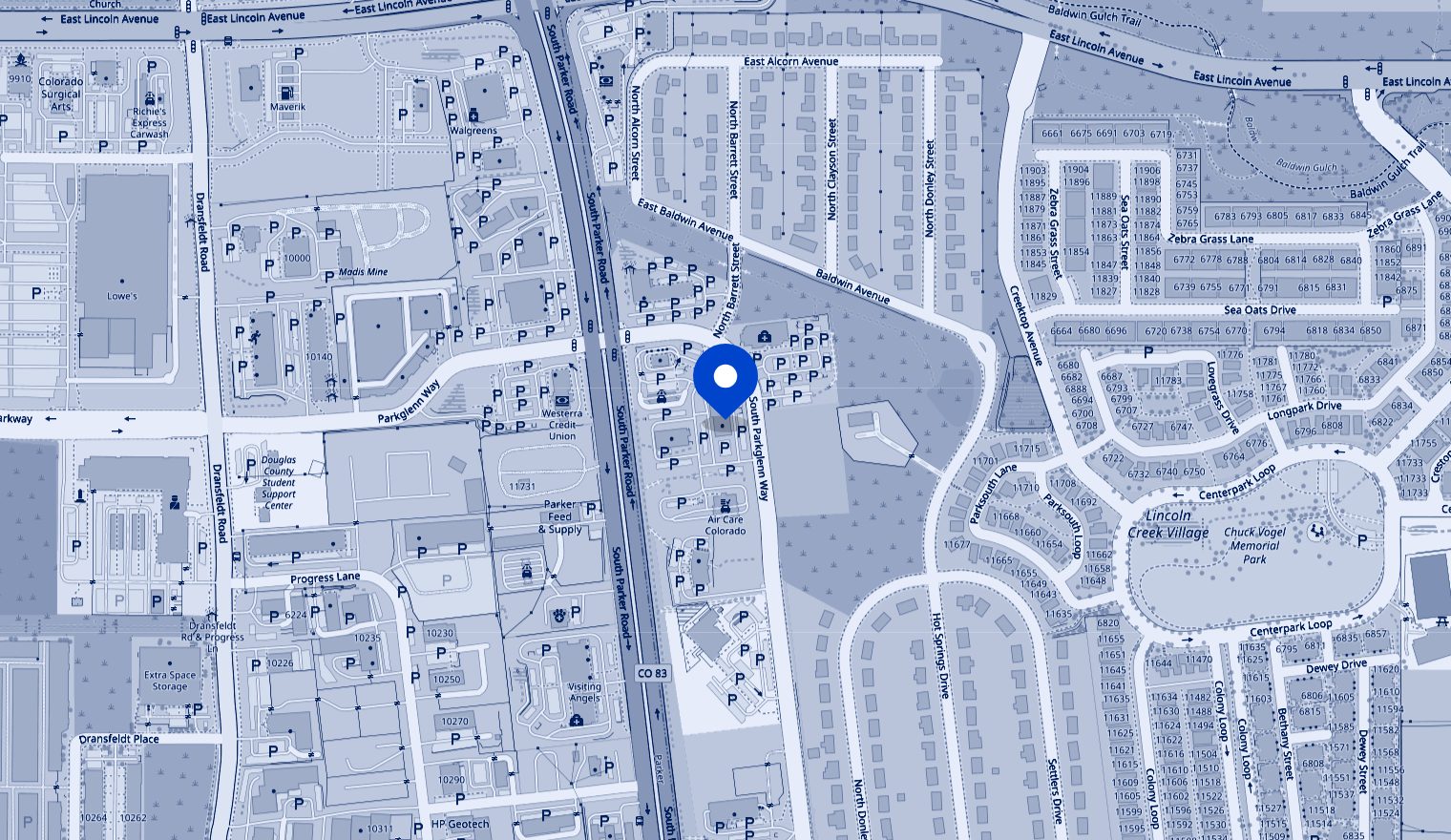
If your transmission has been running hot, or you just want peace of mind before a summer of towing or mountain drives, we’re glad to take a look. Call Eagle Transmission & Auto Repair at (720) 778-1888 or stop by 10189 Parkglenn Way, Parker, CO 80138. We’re open Monday to Friday, 8am to 6pm, and closed weekends. No pressure, just a straight answer about what your vehicle needs.
Sources
- Kia owner’s manual, transmission self protection mode
- Kia owner’s manual, transmission overheat warning
- Hyundai DCT warning messages
- Eaton Fuller heavy duty transmissions troubleshooting guide
- Eaton transmission driver instructions
- Equipment World, diagnosing trouble code P0218
- Pickup Truck Talk, transmission oil cooler on Toyota trucks
- Trailer inspection checklist