Imagine you’re cruising down Hess Road toward downtown Parker when you press the pedal and feel a strange, sinking sensation instead of a firm stop. It’s a heart-pounding moment that every Colorado driver dreads, especially given our steep terrain and sudden weather shifts. Since Colorado doesn’t require annual safety inspections, the responsibility for catching these issues falls entirely on you. You’ve likely felt that nagging worry about whether a small squeak is just dust or a signal that your car won’t stop when it matters most.
We understand that mechanical jargon can feel like a foreign language, but recognizing the specific signs of brake failure Parker CO residents encounter shouldn’t be stressful. At Eagle Transmission & Auto Repair, we believe in being a supportive partner for your vehicle’s health. Our “WE FIX EVERYTHING” motto means we look at the whole picture, from your brake pads to your complex 4×4 systems. This guide will help you identify seven critical warning signs before they lead to safety risks or major repair bills. We’ll explore how our local climate affects your rotors and give you the confidence to know exactly when your vehicle needs a professional look.
Key Takeaways
- Learn to distinguish between a minor squeak and the metallic grinding that signals immediate danger for your vehicle’s stopping power.
- Understand why a “spongy” brake pedal is more than just an annoyance and how it directly impacts your safety on steep Colorado descents.
- Discover how high altitudes and mountain driving accelerate the common signs of brake failure Parker CO drivers need to watch for.
- See how catching brake issues early prevents expensive secondary damage to your rotors and calipers, saving you money in the long run.
- Find out why a comprehensive inspection at Eagle Transmission & Auto Repair goes beyond just checking pads to ensure your entire braking system is reliable.
Audible and Physical Warning Signs of Brake Failure
Your car is actually a pretty great communicator. Long before a system completely gives out, it usually tries to tell you something is wrong through specific sounds or physical sensations. For those of us navigating the unique terrain of Douglas County, paying attention to these early signs of brake failure Parker CO vehicles exhibit is the best way to stay safe and avoid a massive repair bill. Whether you’re navigating the stop-and-go flow on Mainstreet or heading out for a weekend in the Rockies, your brakes are your most critical safety feature.
Squealing vs. Grinding: What the Noises Mean
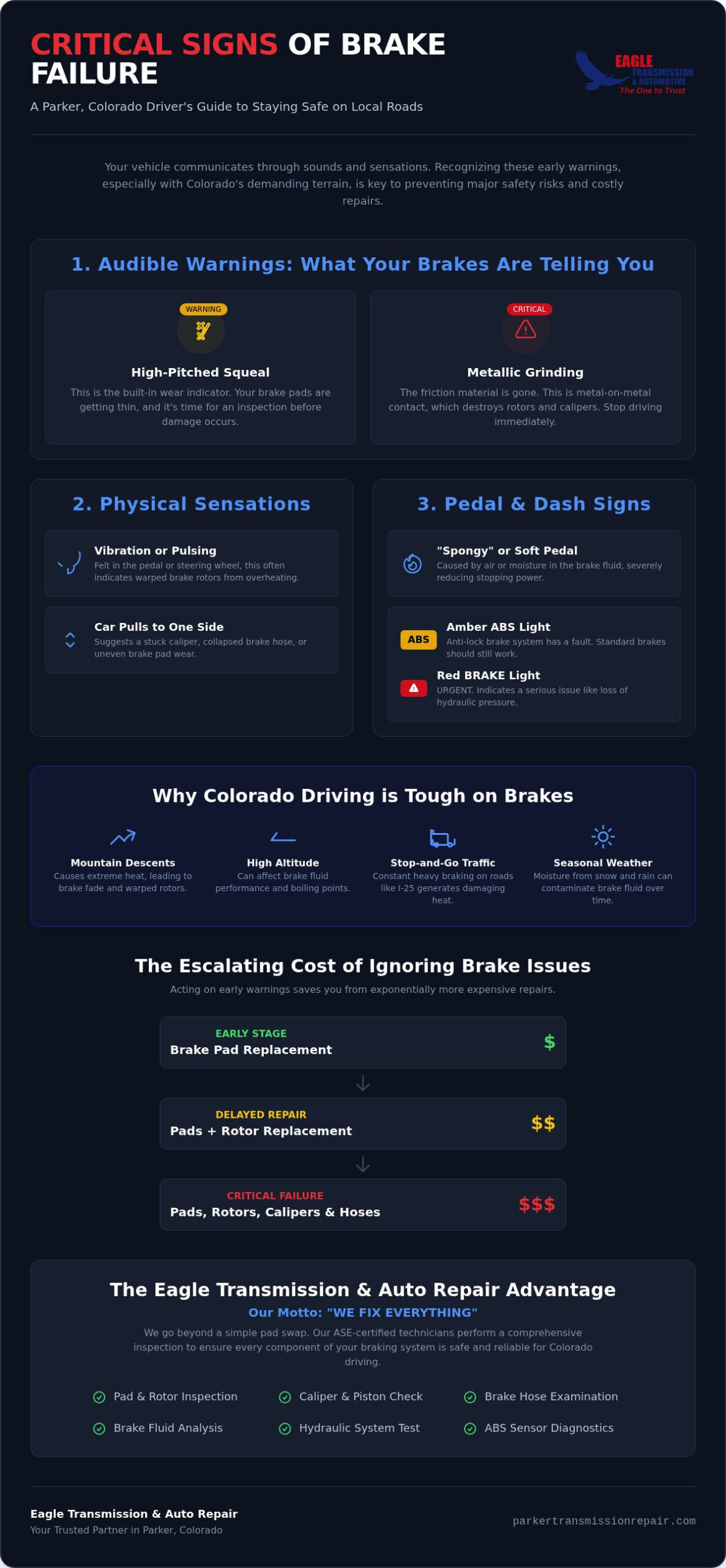
Most modern brake pads are designed with a small metal tab called a wear indicator. When your pads get thin, this tab makes contact with the rotor to create a high-pitched squealing or screeching sound. Think of it as a helpful, albeit annoying, alarm clock telling you it’s time for a reliable brake replacement. It isn’t a reason to panic yet, but it is a sign that your safety margin is shrinking.
Grinding, however, is a completely different story. If you hear a harsh, metallic scraping sound, your friction material is likely gone. This means metal is rubbing against metal, which can quickly destroy your rotors and calipers. During heavy use on mountain descents, you might also experience Brake fade, which is a temporary but terrifying loss of stopping power caused by excessive heat buildup in the braking components.
Vibrations and Steering Wheel Shaking
Do you feel a rhythmic pulsing or a “wobble” in the steering wheel when you slow down? This physical feedback usually points to warped brake rotors. Rotors are the metal discs your pads grip to stop the wheels. When they get too hot, they can actually distort or develop uneven thickness. This is particularly common for Parker drivers who frequently deal with the “accordion” traffic patterns on I-25. The constant shift from highway speeds to a dead stop generates immense heat, which leads to those frustrating vibrations.
If your vehicle pulls to one side when you hit the brakes, you might be dealing with a stuck caliper or a collapsed brake hose. Ignoring these signs of brake failure Parker CO drivers often notice can turn a simple pad swap into a complex overhaul involving your rotors and calipers. At Eagle Transmission & Auto Repair, we don’t just “slap on pads” and send you on your way. Because “WE FIX EVERYTHING,” our team looks at the entire system to ensure your steering and suspension aren’t being compromised by a braking fault. Catching these physical cues early keeps your family safe and your car on the road longer.
Pedal Feedback and Dashboard Indicators
While noises are a great early warning, the way your brake pedal feels under your foot provides the most direct insight into your hydraulic system’s health. In the Parker foothills, where elevation changes require constant speed modulation, a responsive pedal is your best friend. If you notice your pedal behaving differently, it’s often one of the most reliable signs of brake failure Parker CO drivers can detect before a complete system loss occurs.
The Spongy Pedal: Air and Fluid Issues
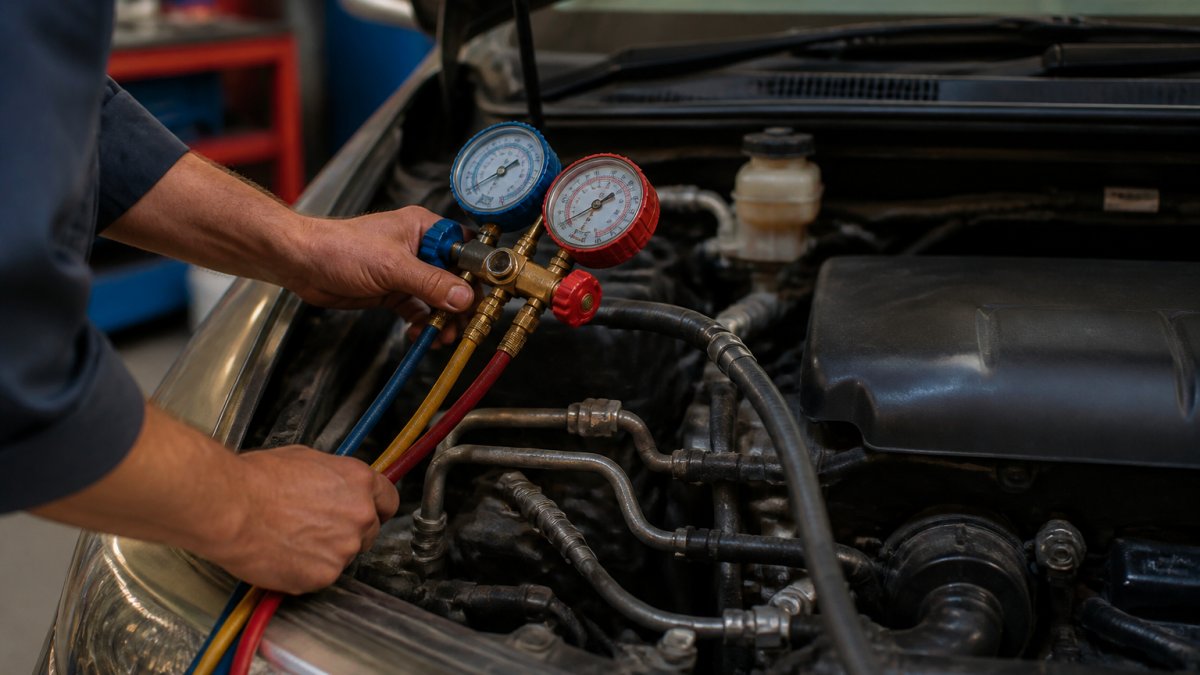
When you press the brake pedal, you’re moving hydraulic fluid through lines to squeeze the brake pads. Brake fluid is non-compressible, which is what gives the pedal a firm feel. If air gets into the system through a leak or a failing master cylinder, that air compresses like a spring, resulting in a “spongy” or soft pedal that might sink all the way to the floorboard. Just as you might use our Transmission Fluid Color Guide to check your gearbox health, keeping an eye on your brake fluid is essential. Dark, murky fluid has likely absorbed moisture from our humid spring weather or snowy winters, which lowers its boiling point and leads to dangerous internal corrosion.
Deciphering Dashboard Warning Lights
Your dashboard is equipped with sensors that monitor pressure and fluid levels. An amber ABS light usually means your anti-lock system has a fault, but you still have standard braking power. However, a red “Brake” warning light is an urgent signal. It often indicates a significant loss of hydraulic pressure or dangerously low fluid levels. Ignoring these lights while driving down steep grades like Crowfoot Valley Road is incredibly risky. Even modern vehicles aren’t immune to electronic glitches. For instance, the NHTSA expanded an investigation in August 2026 into the eBoost brake assist system found in some 2023 to 2026 Chevrolet Colorado and GMC Canyon models due to reports of sudden loss of brake assist. This highlights why any change in pedal resistance or a new warning light deserves immediate attention.
You might also notice a hard pedal that feels like pushing against a brick wall. This usually points to a failure in the brake booster, meaning you’ve lost the power assistance that makes stopping a heavy truck or SUV possible. If this is accompanied by a sharp chemical or burning smell after a long descent, your pads are likely overheating. At Eagle Transmission & Auto Repair, our “WE FIX EVERYTHING” approach ensures we look at the sensors, the hydraulics, and the mechanical parts. If your pedal feels off, don’t wait for it to fail completely; visit us in Parker for a thorough diagnostic check to keep your family safe on the road.
How Colorado Terrain Accelerates Brake Wear in Parker
Driving in Parker isn’t the same as driving in the flatlands of the Midwest. Our unique geography and high-altitude environment put a specific kind of stress on your vehicle that manufacturer maintenance schedules don’t always account for. Between the steep grades and our legendary weather swings, the signs of brake failure Parker CO drivers see often stem from environmental factors rather than just high mileage. Understanding these local challenges helps you stay ahead of repairs and keeps your vehicle performing reliably.
Mountain Driving and Brake Overheating
If you’ve ever driven the climb toward Castle Rock or navigated the winding descents of the surrounding foothills, you know how much you rely on your pedal. Constant braking on long downhill stretches generates intense friction, which can lead to “glazing.” This happens when the brake pad material gets so hot that it develops a smooth, glass-like finish. Glazed pads can’t grip the rotor effectively, significantly increasing your stopping distance.
To preserve your brakes, we recommend using engine braking. By downshifting your transmission, your engine helps control your speed, taking the literal heat off your braking system. High altitude also plays a role here. At our elevation, brake fluid can absorb moisture more quickly from the air. This moisture lowers the fluid’s boiling point, making it easier for your brakes to feel soft or unresponsive during a demanding mountain drive.
Corrosion from Colorado Winter Road Treatments
Douglas County is proactive about winter safety, but the road salt and magnesium chloride used to melt ice are incredibly tough on metal components. These chemicals can cause your brake calipers to corrode and seize. A “sticky” caliper is a common issue that causes the vehicle to pull to one side or leads to a noticeable drop in fuel economy because the pad is constantly dragging against the rotor.
Temperature fluctuations also play a part. It isn’t uncommon for Parker to see a 40-degree temperature swing in a single day. This rapid expansion and contraction of your metal rotors can lead to small cracks or warping over time. We suggest a few simple habits to protect your investment:
- Get regular undercarriage rinses during the winter to clear away salt and magnesium chloride.
- Check your wheels for excessive dark dust, which can indicate a sticking caliper.
- Schedule a seasonal check-up at Eagle Transmission & Auto Repair before the heavy snow hits.
Our “WE FIX EVERYTHING” philosophy means we don’t just look at the pads. We inspect the lines for corrosion and check the calipers for proper movement. Because we live and work in this community, we know exactly what Colorado roads do to your car. Whether you are commuting to Denver or heading into the high country, we ensure your vehicle is ready for the climb.
The Dangers of Ignoring Brake Failure Symptoms
Putting off a vehicle repair is a gamble most of us have taken at some point, but with brakes, the stakes are simply too high. Ignoring the clear signs of brake failure Parker CO vehicles display doesn’t just put your safety at risk; it’s a guaranteed way to turn a minor maintenance task into an expensive mechanical overhaul. When your stopping distance begins to creep up, you lose that split-second window needed to avoid a rear-end collision on a busy afternoon near the Parker Fieldhouse. Over time, these small issues compromise your vehicle’s long-term reliability and can significantly tank its resale value.
From Simple Pads to Expensive Rotors
Think of your brake pads like the soles of your favorite hiking boots. If you replace them before they wear through, the rest of the boot stays in great shape. However, if you wait until you’re walking on the metal backing plate, you’ll quickly destroy your rotors. It’s the classic “stitch in time” scenario. What could have been a straightforward reliable brake replacement in Parker, CO involving just pads can easily snowball. Once that metal-on-metal grinding starts, you are looking at replacing rotors and potentially even calipers, which can triple your repair bill. Beyond the cost, total hydraulic failure is a real possibility if a leak is ignored, leaving you with no stopping power at the worst possible moment.
Safety Risks for Families in Douglas County
Our local roads present unique challenges that make functional brakes non-negotiable. Whether you’re merging onto E-470 or navigating a slushy morning on Lincoln Avenue, your car’s ability to stop reliably is what keeps your family safe. It’s a simple law of physics that stopping distance increases exponentially with speed. At highway speeds, even a small delay in brake engagement adds dozens of feet to your stop. We take our “WE FIX EVERYTHING” motto seriously because we know that a safe car needs a fully functional ABS system and healthy lines to handle Colorado winters. A car that shudders during a stop is unpredictable on ice, and that’s a risk no neighbor should take. If you’ve noticed any change in how your car handles, don’t wait for the problem to get worse. You can get a professional brake inspection today at our shop to ensure your vehicle is ready for whatever the Douglas County weather throws your way.
Professional Brake Diagnosis at Eagle Transmission & Auto Repair
We know that car trouble can feel like an uninvited guest at the dinner table. It’s stressful, confusing, and usually happens at the worst possible time. At Eagle Transmission & Auto Repair, we want to change that experience for you. When you’re worried about the signs of brake failure Parker CO roads can trigger, you deserve a partner who explains the “why” without the confusing mechanical jargon. Our goal is to provide a supportive environment where you feel fully informed and comfortable with the steps needed to keep your family safe.
What Happens During a Brake Inspection?
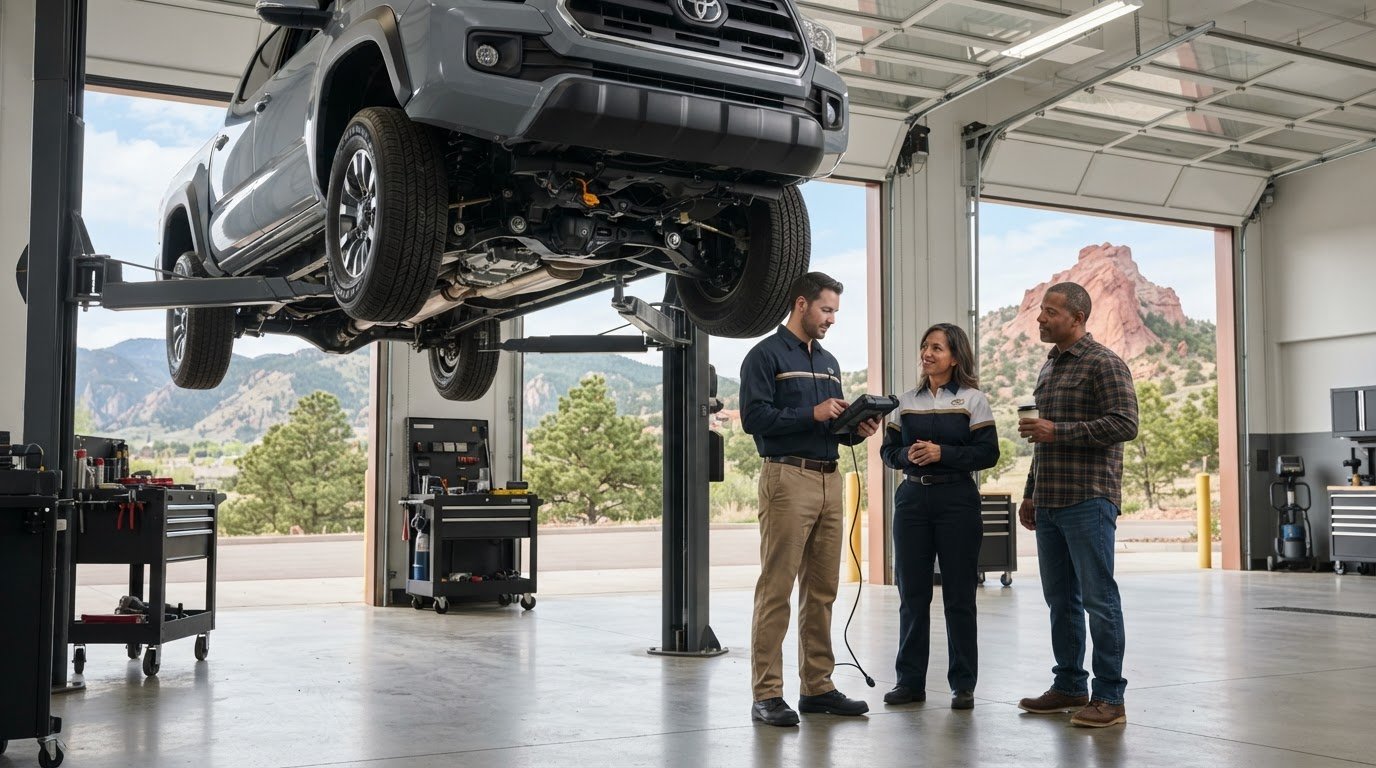
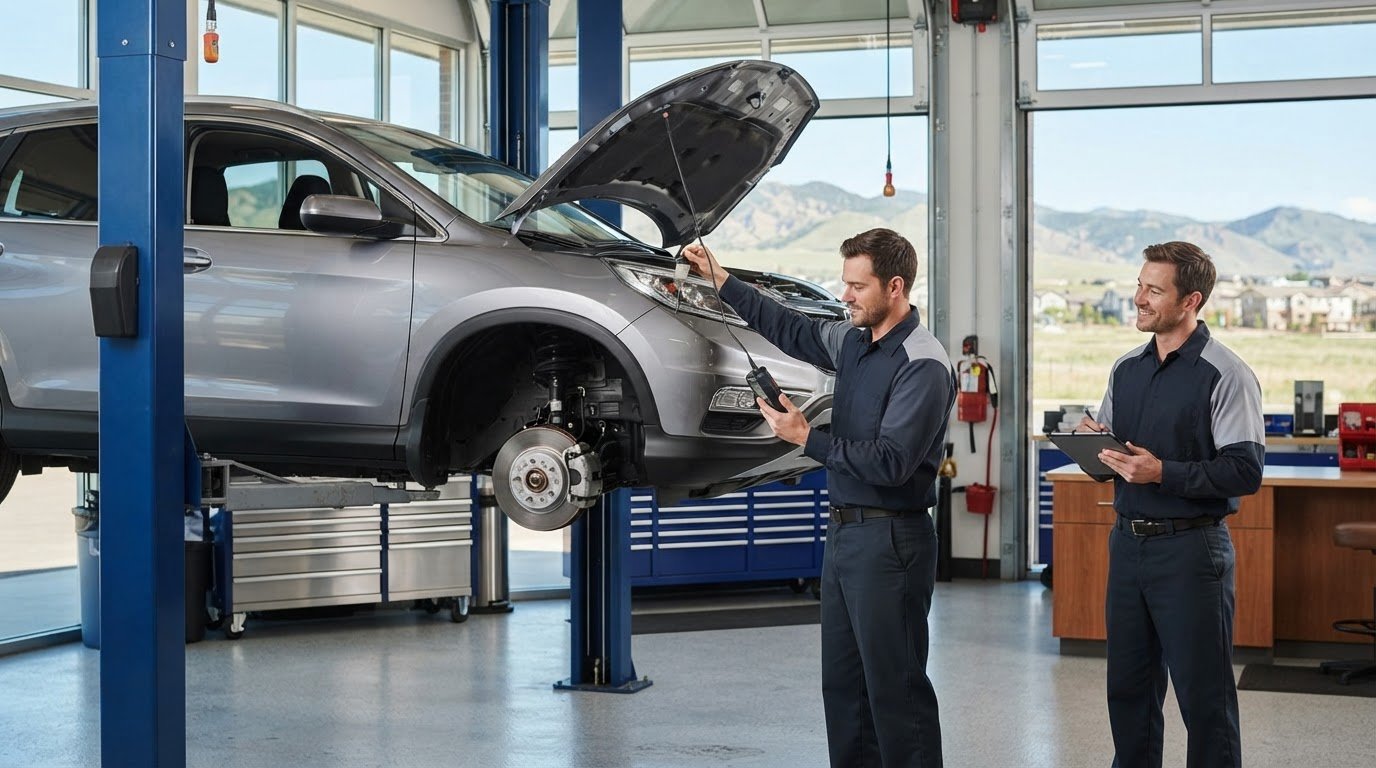
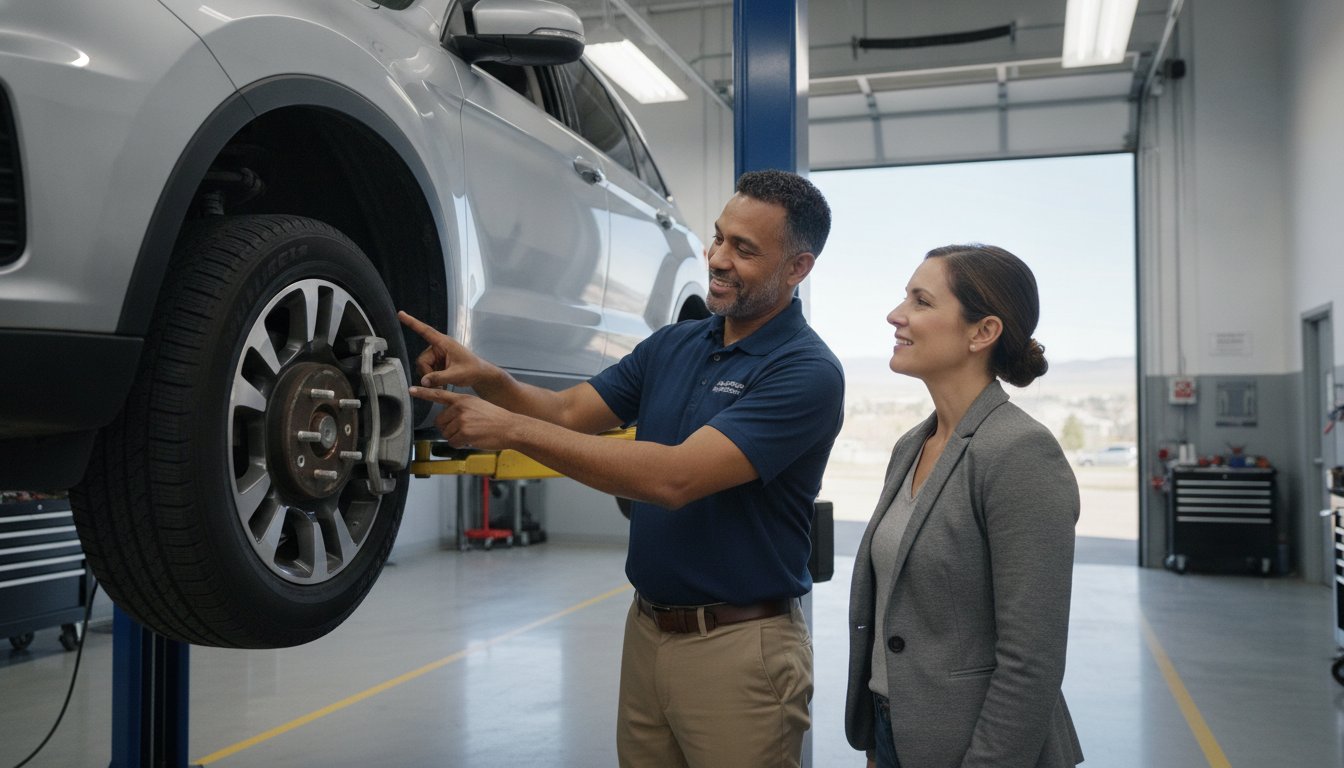
A thorough diagnosis is about more than just peeking at your pads through the wheels. Our comprehensive multi-point inspection covers every inch of your braking system to ensure total reliability. We examine your pads and rotors for wear, but we also inspect the brake lines for leaks or corrosion caused by Douglas County’s winter road treatments. We test the condition of your fluid and check the calipers to ensure they are sliding freely. Because modern cars are complex, we use professional diagnostic tools to communicate with your ABS module, catching electronic faults that a visual check might miss. This deep dive is a core part of our Expert Auto Repair in Parker, CO, ensuring no detail is overlooked.
The Eagle Transmission Difference
Why do we say “WE FIX EVERYTHING”? It’s because your vehicle is a collection of interconnected systems. A braking issue can sometimes be linked to a suspension fault or even a drivetrain problem. Our team has decades of experience handling everything from standard sedans to specialized Ford truck repair. We understand the specific demands placed on F-150 and F-250 braking systems when they are hauling trailers up steep Colorado grades. We treat every vehicle like it belongs to one of our own neighbors because, in Parker, it usually does.
Don’t let the anxiety of a potential repair bill keep you from a necessary safety check. We prioritize transparency and honesty, giving you a clear picture of what needs immediate attention and what can wait. Whether you’ve noticed the signs of brake failure Parker CO drivers often worry about or you just want peace of mind before a winter road trip, we are here to help. Schedule your safety inspection today to ensure your vehicle is ready for Colorado’s demanding roads and keep your loved ones protected.
Drive with Confidence on Every Douglas County Road
Your safety shouldn’t be a guessing game. By staying alert to unusual sounds, vibrations, or changes in pedal feel, you can catch minor issues before they become dangerous failures. Remember that our local environment, from the high-altitude moisture to the corrosive road treatments on Lincoln Avenue, accelerates wear in ways that standard manuals don’t always predict. Learning to spot the early signs of brake failure Parker CO vehicles often show is the first step toward a more reliable ride.
At Eagle Transmission & Auto Repair, we are proud to be a deeply rooted part of the Parker community. Whether you need specialized Ford repair, expert diesel service, or a simple diagnostic check, our “WE FIX EVERYTHING” motto ensures your entire vehicle is in good hands. We invite you to Schedule Your Brake Safety Inspection at Eagle Transmission & Auto Repair today. Let’s work together to keep your car performing at its best, ensuring every trip through the foothills is as safe as it is scenic.
Frequently Asked Questions
Can I drive my car if the brake warning light is on?
If your red brake warning light stays on, it isn’t safe to drive. This signal usually indicates a major hydraulic issue or dangerously low fluid levels that could lead to a total system failure. An amber ABS light means you still have standard brakes, but your anti-lock safety system is disabled. For families in Centennial or Parker, driving without ABS on slushy roads is risky, so it’s best to have us run a diagnostic check immediately.
How often should I have my brakes checked for Colorado mountain driving?
For those of us living in Douglas County, we recommend a professional brake check every 6,000 miles or during your regular oil change. The constant elevation changes and heavy use on mountain passes mean your pads wear faster than the national average. Watching for early signs of brake failure Parker CO residents often notice, like a slightly softer pedal or a faint squeal, helps prevent expensive secondary damage to your rotors and suspension.
Why do my brakes squeak only in the morning?
It’s common for brakes to squeak first thing in the morning due to a thin layer of surface rust that forms from overnight humidity or dew. This noise usually clears up after your first few stops. However, if the sound persists or turns into a metallic grind while you’re driving through Lone Tree or Aurora, it’s a sign that your friction material is dangerously low and needs professional attention from our expert team.
What is the difference between resurfacing and replacing rotors?
Resurfacing involves smoothing out the rotor’s surface, while replacement means installing a brand-new part. Modern vehicles often have thinner rotors that cannot be safely machined without compromising their ability to handle the extreme heat of Colorado mountain driving. At Eagle Transmission & Auto Repair, our “WE FIX EVERYTHING” approach means we measure every rotor to ensure it meets strict safety standards before making a recommendation that keeps your vehicle reliable and safe.
Does high altitude affect my brake fluid?
High altitude definitely impacts your braking system over time. Brake fluid is hygroscopic, meaning it absorbs moisture from the air, which can happen more quickly in our changing climate. This moisture lowers the fluid’s boiling point, which might lead to a “spongy” pedal feel during long descents from the mountains. Regularly checking and flushing your fluid ensures your hydraulic system stays responsive and reliable regardless of the elevation and terrain you encounter.