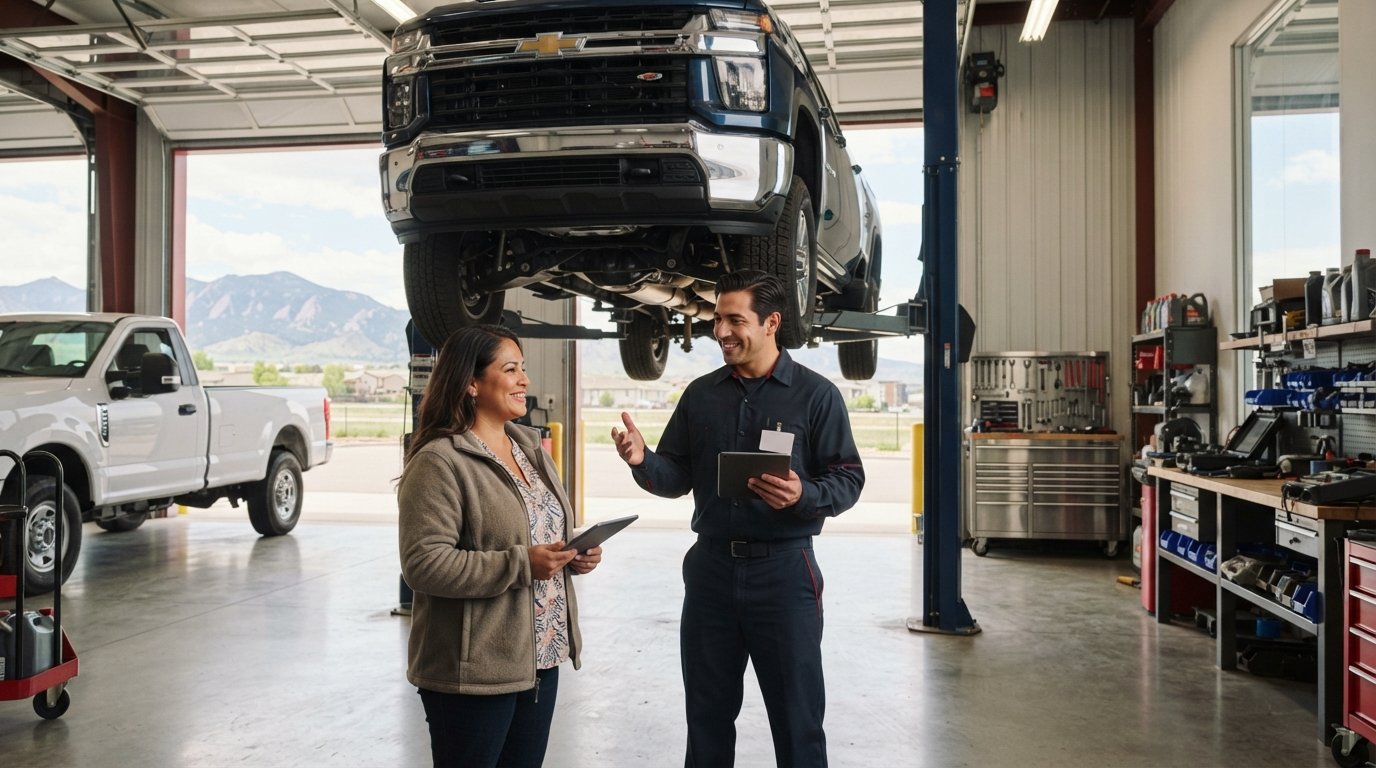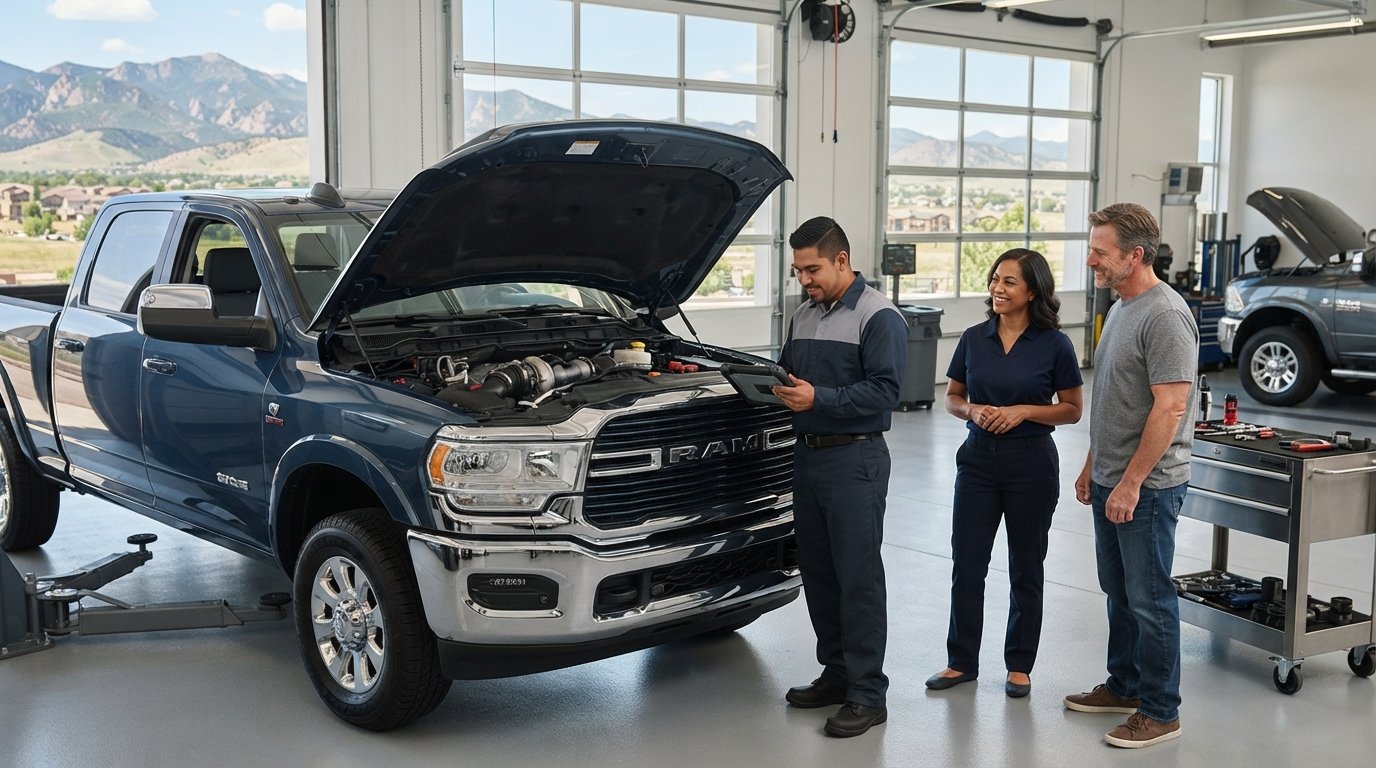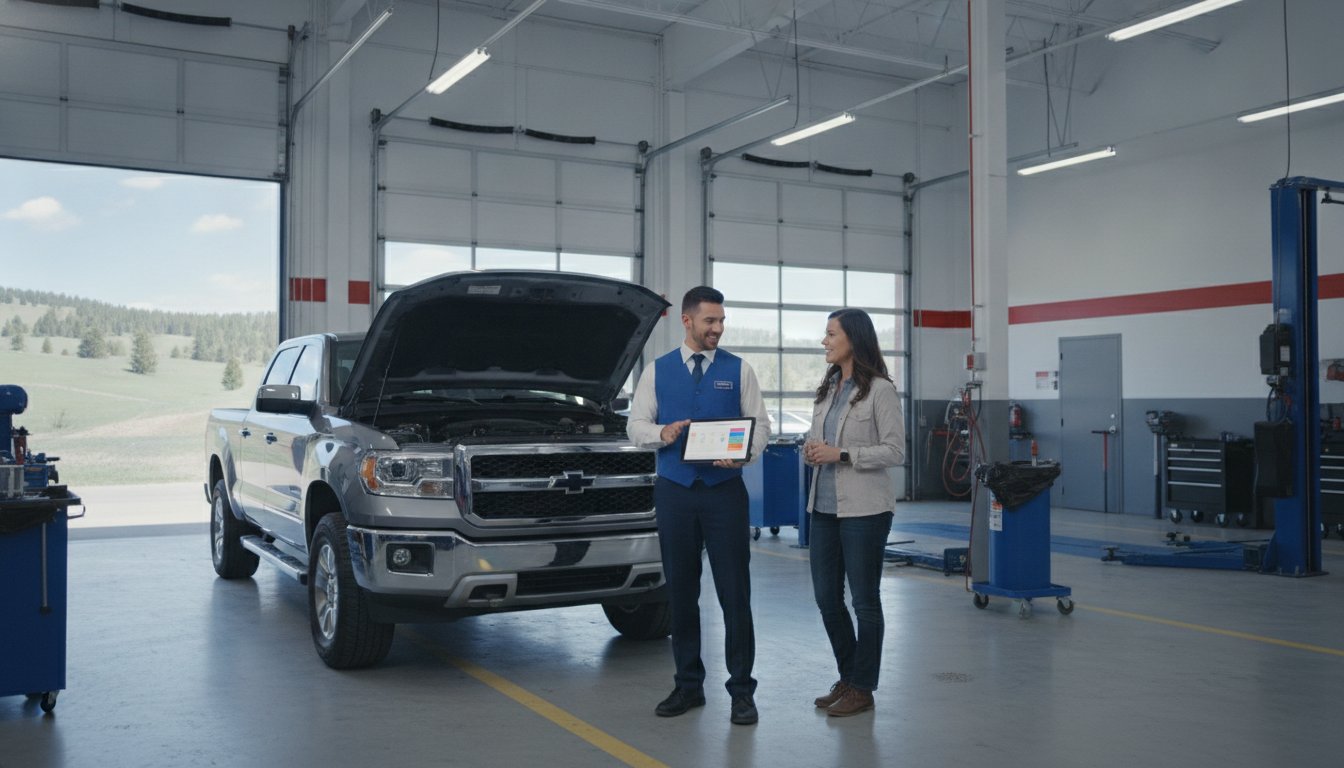
You’re driving down Parker Road after a heavy Colorado snowstorm when that rhythmic blinking starts on your dashboard. Is it just a minor electronic glitch, or are you about to lose your four-wheel-drive capability right when you need it most? We understand the anxiety that comes with mysterious symbols, especially when you rely on your truck to navigate Douglas County winters safely. If you are searching for 4×4 light flashing repair Parker CO, you likely already know that a malfunctioning drivetrain is a major safety risk. With the Colorado Traction Law in effect from September through May, keeping your 4WD system in peak condition isn’t just a suggestion; it is a necessity for staying legal and safe on our mountain roads.
At Eagle Transmission & Auto Repair, we live by the motto “WE FIX EVERYTHING,” and that starts with giving you clear, honest answers. You deserve to know if your vehicle is safe to drive and what it will take to restore your peace of mind. This guide will break down the most common culprits behind those flashing lights, from simple vacuum leaks to complex transfer case issues. We will help you understand the diagnosis process and show you how expert maintenance can save you from the stress of a total drivetrain failure during a snowy commute.
Key Takeaways
- Learn how to interpret dashboard signals and perform a “Shift Test” to see if your 4WD system is actually engaging or just stuck in a communication loop.
- Identify the most common hardware failures, like faulty actuators and encoder motors, that necessitate professional 4×4 light flashing repair Parker CO.
- Discover how Colorado’s extreme temperature swings and high-elevation pressure can impact your transfer case fluid viscosity and drivetrain health.
- Understand the safety risks of “binding” while turning on dry pavement and how to prevent expensive long-term damage to your transmission and differentials.
- See how the expert team at Eagle Transmission & Auto Repair applies their “WE FIX EVERYTHING” approach to complex 4WD diagnostics for all major truck brands.
What Does a Flashing 4×4 Light Mean on Your Dashboard?
Think of your dashboard as a translator between you and your vehicle’s complex mechanical systems. When that 4×4 symbol starts blinking, your truck is essentially saying, “I hear your command, but I can’t finish the job.” Usually, this flashing occurs when the system is stuck in between gears. You might have pushed the button to engage 4-High, but the mechanical components haven’t fully locked into place. It’s a signal that the communication loop between your dashboard switch and the actual drivetrain has been broken.
The brain behind this operation is the Transfer Case Control Module, or TCCM. This specialized computer monitors every sensor and motor in your 4WD system. If the TCCM detects that a shift motor hasn’t moved far enough, or if a sensor is sending back “garbage” data, it triggers the flashing light to warn you. While it feels stressful, this is actually a protective measure. It’s designed to prevent you from driving in a partially engaged state that could shred expensive internal gears. If you are searching for 4×4 light flashing repair Parker CO, it’s important to remember that a blinking light doesn’t always mean you need a total rebuild. Many times, it’s simply a cry for a specific sensor or a quick fluid service.
The Difference Between Flashing and Steady Lights
Understanding the “language” of your dashboard can save you a lot of worry. A steady “Service 4WD” light is often like a maintenance reminder or a notification that a fault code was stored in the past. It means the computer found an issue, but it isn’t necessarily stopping you from shifting right this second.
A flashing light is different because it signals an active failure. It means the system is currently trying to shift and failing. In some modern trucks, this might even trigger a “limp mode” where the vehicle limits your speed or power. This isn’t your truck being difficult; it’s the TCCM trying to protect your transmission from the heat and friction of a mismatched gear engagement.
The ‘WE FIX EVERYTHING’ Approach to Diagnostics
At Eagle Transmission & Auto Repair, we apply our “WE FIX EVERYTHING” philosophy to every diagnostic challenge. We don’t believe in just throwing parts at a problem. Instead, we use advanced factory-level scanners that can “talk” directly to the TCCM in your Ford, Chevy, or Jeep.
- Advanced Scanning: We read manufacturer-specific codes that generic parts store readers often miss entirely.
- Mechanical Inspection: We verify if the issue is electronic or a physical blockage in the transfer case.
- Comprehensive Care: We look at the big picture, ensuring a Check Engine Light Diagnosis doesn’t reveal underlying engine issues that could affect your drivetrain performance.
By using professional-grade equipment, we can pinpoint exactly why you need 4×4 light flashing repair Parker CO without the guesswork. This saves you time and ensures your vehicle is ready for the unpredictable Douglas County weather.
Common Causes for 4WD Indicator Lights Flashing
While a flashing light is your vehicle’s way of asking for help, the actual “why” usually boils down to a few specific components. Most modern 4WD systems rely on a delicate dance between electrical signals and mechanical movement. When that dance gets out of sync, you need expert 4×4 light flashing repair Parker CO to get back on the road. Understanding these common failure points can help lower your anxiety before you even step into the shop.
- Faulty 4WD Actuators: These are the “muscles” of your drivetrain. They are small motors or vacuum diaphragms that physically push your gears into place. If they get stuck or short out, the system cannot complete the shift.
- Transfer Case Encoder Motor: This component acts as the system’s brain. It reports the exact position of the internal gears to your computer. If it fails, your truck essentially “forgets” which gear it’s in, leading to persistent blinking.
- Wheel Speed Sensor Malfunctions: Your 4WD system is closely linked to your ABS. If a wheel speed sensor sends back incorrect data, the computer will disable 4WD to prevent a potential skid.
- Vacuum Leak Issues: Older trucks often use vacuum pressure to lock the front hubs. A tiny crack in a rubber hose can prevent engagement entirely.
- Low or Contaminated Fluid: If your transfer case fluid is burnt or filled with metal shavings, internal friction can trigger sensor warnings.
Electrical vs. Mechanical Failures
Living in Colorado presents unique challenges for your vehicle’s underside. We often see corroded wiring harnesses caused by the heavy use of road salt and magnesium chloride during our Parker winters. This chemical cocktail eats away at electrical connectors, causing “ghost” signals that make your 4×4 light flash even when the gears are fine. On the mechanical side, a stretched transfer case chain can cause internal timing errors. Even something as simple as a blown fuse can mimic a major mechanical failure, which is why we always start with a thorough electrical check. If you’re worried about your drivetrain’s health, come see us at our local Parker repair shop for a professional look.
Transmission and Drivetrain Links
Your 4WD system doesn’t live on an island; it’s deeply connected to your entire drivetrain. For instance, a slipping transmission can sometimes send confusing RPM data to the 4WD controller, causing it to reject a shift. If you are already dealing with a Transmission Repair scenario, it’s quite common for 4×4 lights to behave erratically. Proper maintenance, like a regular Differential Gear Service, ensures that power is distributed smoothly to all four wheels without putting undue stress on the transfer case sensors.

The Impact of Colorado Driving on 4×4 Systems
Driving in Parker, Colorado, is a unique experience that demands a lot from your truck’s drivetrain. While a driver in a flatter, warmer state might go years without engaging their 4WD, we rely on ours just to get out of the driveway after a Douglas County blizzard. This constant use, combined with our geography, is why many local owners eventually seek 4×4 light flashing repair Parker CO. Our environment attacks your 4×4 system from several angles, making routine checks more than just a suggestion.
On those freezing January mornings when the thermometer dips below zero, your transfer case fluid becomes thick and sluggish. This increased viscosity puts immense strain on the encoder motor. If the motor cannot move the gears through that “molasses-like” fluid quickly enough, the computer triggers a flashing light. Additionally, the rapid elevation changes between Parker and the high mountain passes create pressure differentials. These can actually pull moisture into sealed components as they cool down, leading to internal corrosion that ruins sensors over time. When you add in the stress of climbing steep grades on I-70, which generates massive internal heat, it is easy to see why Colorado trucks need extra attention.
Winter Readiness for Parker Drivers
It’s a frustrating reality: 4WD systems often fail exactly when you need them most. Usually, this happens during the first major snowstorm of the season. If your system has sat idle all summer, the internal linkages can seize up or become blocked by ice and road debris from Douglas County trails. We recommend a proactive Transfer Case Service before the first flakes fall. At Eagle Transmission & Auto Repair, we check for physical obstructions like ice buildup that can jam your shift linkages, ensuring your truck is ready for any weather. We’ve seen how mud and rocks from weekend off-roading can snag sensor wires, so a pre-winter inspection is vital for your safety.
The Role of Fluid Health in Extreme Climates
Many manufacturers claim to use “Lifetime Fluid,” but that doesn’t account for the stress of Colorado driving. When you park a hot truck in a cold garage, condensation forms inside your differentials and transfer case. This water mixes with the oil, creating a milky sludge that doesn’t protect your gears. A regular Differential Fluid Change is the best way to flush out this moisture. By keeping your fluids fresh, you prevent the friction-related sensor errors that lead to a flashing dashboard. We apply our “WE FIX EVERYTHING” mindset to these preventative steps, catching small issues before they become expensive repairs.
Diagnostic Steps: What to Do When the Light Starts Flashing
When that light starts blinking, your first instinct might be to pull over immediately. While caution is always a good idea, you can perform a few simple checks to understand the severity of the situation. Start by paying attention to how the truck feels during low-speed maneuvers. If you’re turning on dry pavement in Parker and the vehicle feels like it’s “hopping” or jerking, your drivetrain is likely binding. This happens when the 4WD system is partially engaged and cannot allow the wheels to spin at different speeds. If you feel this, avoid sharp turns until you can get a professional 4×4 light flashing repair Parker CO.
Next, try a controlled “Shift Test.” Find a safe, flat area away from traffic. While stopped, try shifting from 2WD to 4-High. Listen closely. Do you hear a solid “thud” of engagement, or just a series of faint clicks? If 4-High works, try 4-Low, making sure your transmission is in neutral first. If the light flashes during these attempts but never turns solid, the system is failing its internal self-check. While you’re at it, do a quick visual scan of your driveway for fresh puddles. Red fluid usually points to a transfer case leak, while thick, smelly oil suggests a differential issue. Listening for noises is also key; a high-pitched whine often points to an electronic motor struggling, while a loud clunk suggests a mechanical gear blockage.
Is It Safe to Drive with a Flashing 4×4 Light?
In most cases, if your truck stays in 2WD and isn’t making terrifying noises, it’s safe to drive to our shop. The flashing light is often just a warning that the 4WD system is disabled for your protection. However, you should stop immediately if you smell burning, see smoke, or hear loud grinding. Continuing to drive while the drivetrain is bound up can lead to snapped axles or internal gear failure. It’s always better to be safe and have a professional look at it before a minor sensor issue turns into a major mechanical rebuild.
Preparing for Your Appointment
To help our Parker technicians work as efficiently as possible, try to gather a few details before you arrive. Does the light only flash at highway speeds, or does it happen the moment you start the engine? Check if the dashboard is also displaying a Check Engine Light, as these systems are often linked. Providing a quick history of when the transfer case was last serviced helps us narrow down the cause. At Eagle Transmission & Auto Repair, we use this information to fuel our “WE FIX EVERYTHING” approach, ensuring we get to the root of the problem quickly. If your dashboard is giving you mixed signals, visit our Parker location for a comprehensive diagnostic check.
Expert 4×4 Light Flashing Repair in Parker, CO
When your dashboard starts blinking, you don’t just need a mechanic; you need a partner who understands the specific demands of Douglas County driving. At Eagle Transmission & Auto Repair, we’ve spent decades serving the Parker and Centennial communities, becoming the go-to experts for complex drivetrain issues. We know that a flashing light can be a source of major anxiety, especially if you’re worried about the cost of a transmission or transfer case overhaul. That’s why we prioritize a transparent, educational approach. We don’t just tell you what’s wrong; we show you. Our goal is to reduce your stress by providing a clear path back to a safe, reliable vehicle.
Choosing the right shop for 4×4 light flashing repair Parker CO makes all the difference in the longevity of your truck. We combine our technical mastery with a neighborly touch, treating every vehicle as if it belonged to our own family. Whether you are dealing with a minor sensor glitch or a mechanical failure in your transfer case, our “WE FIX EVERYTHING” promise ensures that no problem is too complex for our team. We use factory-level diagnostic equipment to ensure we get the job done right the first time, saving you from the frustration of repeat visits and unnecessary parts replacement.
Why Choose Eagle Transmission & Auto Repair?
Our deep roots in the local community mean we understand exactly what your vehicle goes through on Colorado roads. We’ve seen how the heavy use of magnesium chloride on Parker roads can eat away at wiring harnesses, and we know how the steep climbs of the I-70 corridor can stress a transfer case. This local knowledge allows us to provide more accurate diagnoses than generic chain shops. We also offer specialized expertise in Ford Truck Drivetrain Repair, ensuring that one of Colorado’s most popular workhorses gets the precision care it deserves. When you walk into our shop, you’re greeted by professionals who speak your language and value your trust above all else.
Comprehensive Care for All Makes and Models
From the rugged Jeep Wrangler to the 2026 Toyota Tacoma, every 4WD system has its own personality and common failure points. Our technicians stay updated on the latest shifts in automotive technology, including the digital diagnostic trends of 2026. While we are specialists in transmissions and 4×4 systems, we also provide Expert Auto Repair in Parker for all your general maintenance needs. We believe that keeping your vehicle in peak condition is the best way to ensure your family’s safety during our unpredictable winters. Don’t let a mysterious flashing light keep you off the road or cause you unnecessary worry. Schedule your 4×4 diagnostic appointment with us today and experience the peace of mind that comes with expert, local care.
Stay Safe and Ready for Colorado Roads
Dealing with a blinking dashboard doesn’t have to be a source of constant worry. You now know that a flashing 4×4 light is your truck’s way of preventing damage, especially during those harsh Douglas County winters. Whether it’s a simple vacuum leak or a complex encoder motor issue, getting a professional diagnosis is the only way to ensure your family’s safety before the next big snowstorm hits. At Eagle Transmission & Auto Repair, we are specialized 4×4 and drivetrain experts who understand exactly how high altitude and freezing temperatures impact your vehicle.
We live by our motto, “WE FIX EVERYTHING,” and that includes every sensor, motor, and gear in your four-wheel-drive system. If you need 4×4 light flashing repair Parker CO, don’t wait for the gears to bind or the snow to pile up. Our convenient Parker location near Parkglenn Way is ready to help you get back on the road with total confidence. Schedule Your 4×4 Diagnostic in Parker Today and let us take the guesswork out of your drivetrain health. We’re here to keep you moving safely through every season.
Frequently Asked Questions
Can I drive my truck if the 4×4 light is flashing?
You can usually continue driving in two-wheel drive as long as you aren’t hearing loud grinding noises or smelling something burning. The flashing light is often a signal that the computer has disabled the four-wheel-drive system to protect the internal gears from damage. However, if the vehicle feels like it is jerking or “hopping” during turns, your drivetrain might be partially bound up. In that case, you should bring it in for a professional check right away to avoid snapping an axle or damaging your tires.
Why does my 4WD light flash and then stay on?
This pattern typically means your vehicle tried to complete a shift and failed, resulting in a fault code being stored in the computer. The initial flashing represents the active attempt to move the gears, while the steady light indicates the system has given up and recorded a specific error. This is a common scenario that requires 4×4 light flashing repair Parker CO to clear the codes and identify if the issue is a seized actuator or a faulty encoder motor. Our diagnostic tools can “talk” to your truck’s computer to find the exact reason for the failure.
Will a flashing 4×4 light cause my car to fail emissions in Colorado?
A flashing 4×4 light by itself will not cause you to fail a Colorado emissions test. The state’s testing equipment primarily looks for issues that affect your tailpipe emissions or trigger a Check Engine Light. However, because modern drivetrain sensors are often linked to the engine’s control module, a serious 4WD fault can sometimes trigger a secondary engine code. If your dashboard is showing both a flashing 4×4 light and a Check Engine Light, you will need to have the system repaired before you can pass your emissions test.
How much does it cost to fix a flashing 4×4 light in Parker?
The total cost for repair depends entirely on the root cause, which can range from a simple cracked vacuum hose to a full transfer case motor replacement. We’ve found that many flashing lights are caused by simple electrical corrosion from Colorado road salt rather than major mechanical failures. At Eagle Transmission & Auto Repair, we focus on transparent diagnostics so you understand exactly what needs to be fixed. Because we fix everything, we have the specialized tools to pinpoint the specific component that failed, which often saves our customers from replacing entire systems unnecessarily.
Can a bad wheel speed sensor cause a 4WD light to flash?
Yes, a faulty wheel speed sensor is one of the most frequent causes of 4WD malfunctions. Your truck’s computer needs to know exactly how fast every wheel is spinning before it allows the transfer case to lock the front and rear axles together. If one sensor sends back incorrect data, the system will flash the light and disable 4WD to prevent you from losing control on a slick Parker road. We often see these sensors fail after a truck has been driven through heavy Douglas County mud or deep snowbanks.
What happens if I ignore the 4×4 service light?
Ignoring the light can turn a minor sensor glitch into a very expensive mechanical repair. If the light is flashing because of low fluid or a small leak, continuing to drive can cause the internal bearings and chains to overheat and eventually shatter. Beyond the potential for a massive repair bill, you also risk being stranded without four-wheel drive during a sudden Colorado snowstorm. Regular maintenance and addressing lights early is the best way to keep your drivetrain healthy and your family safe on the road.