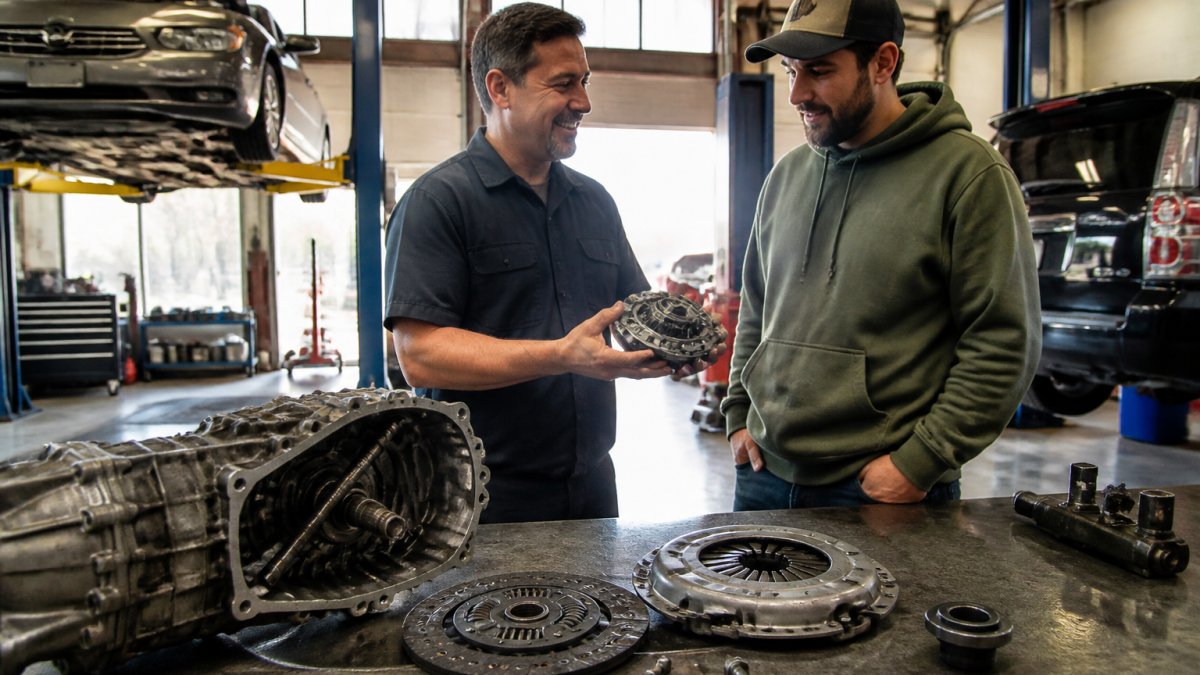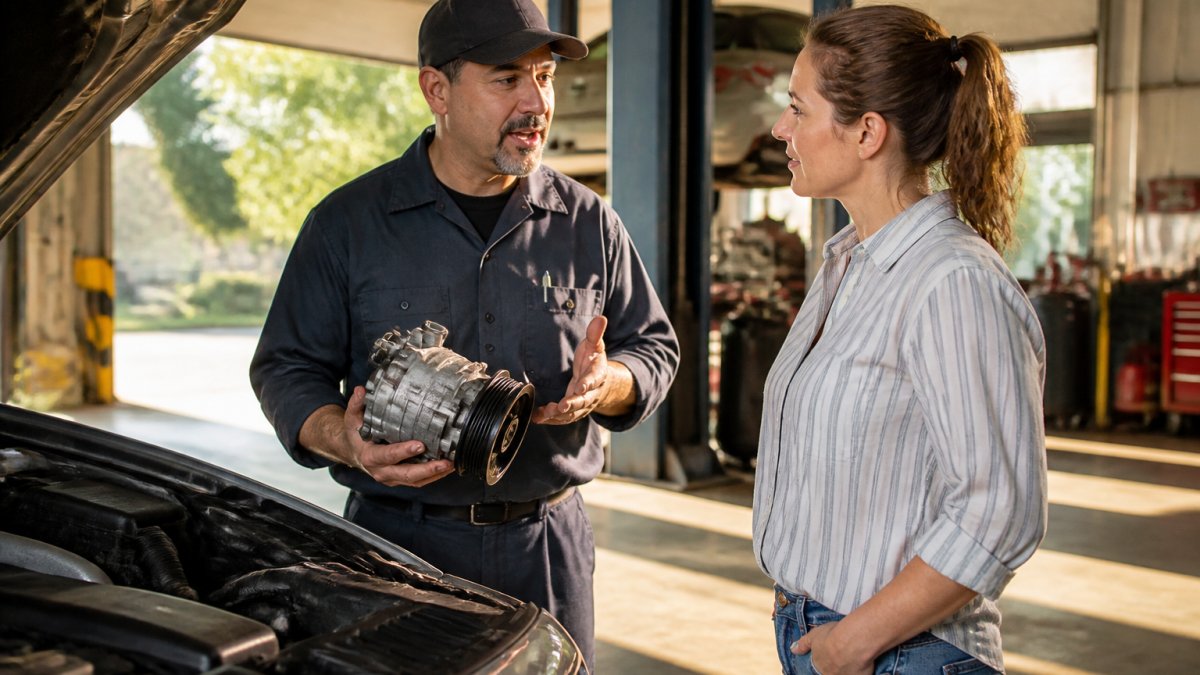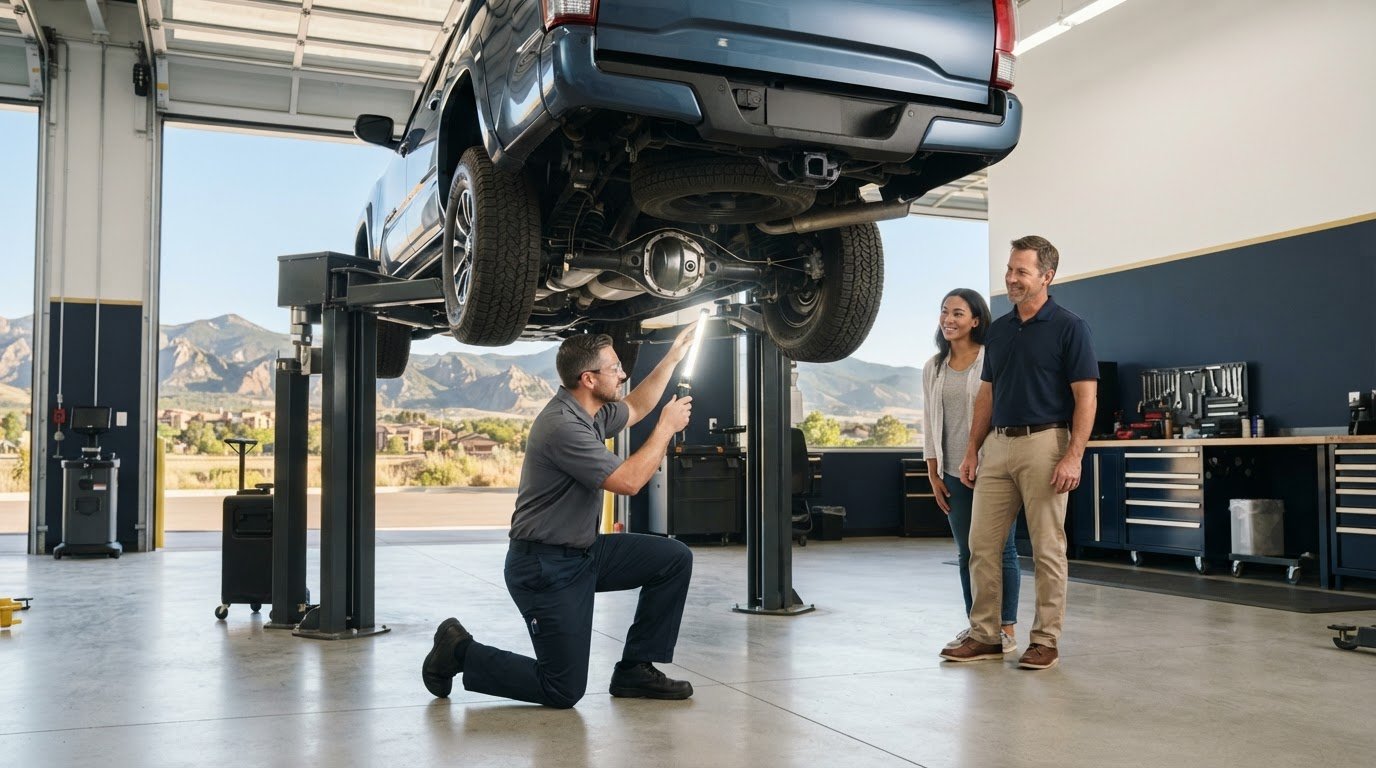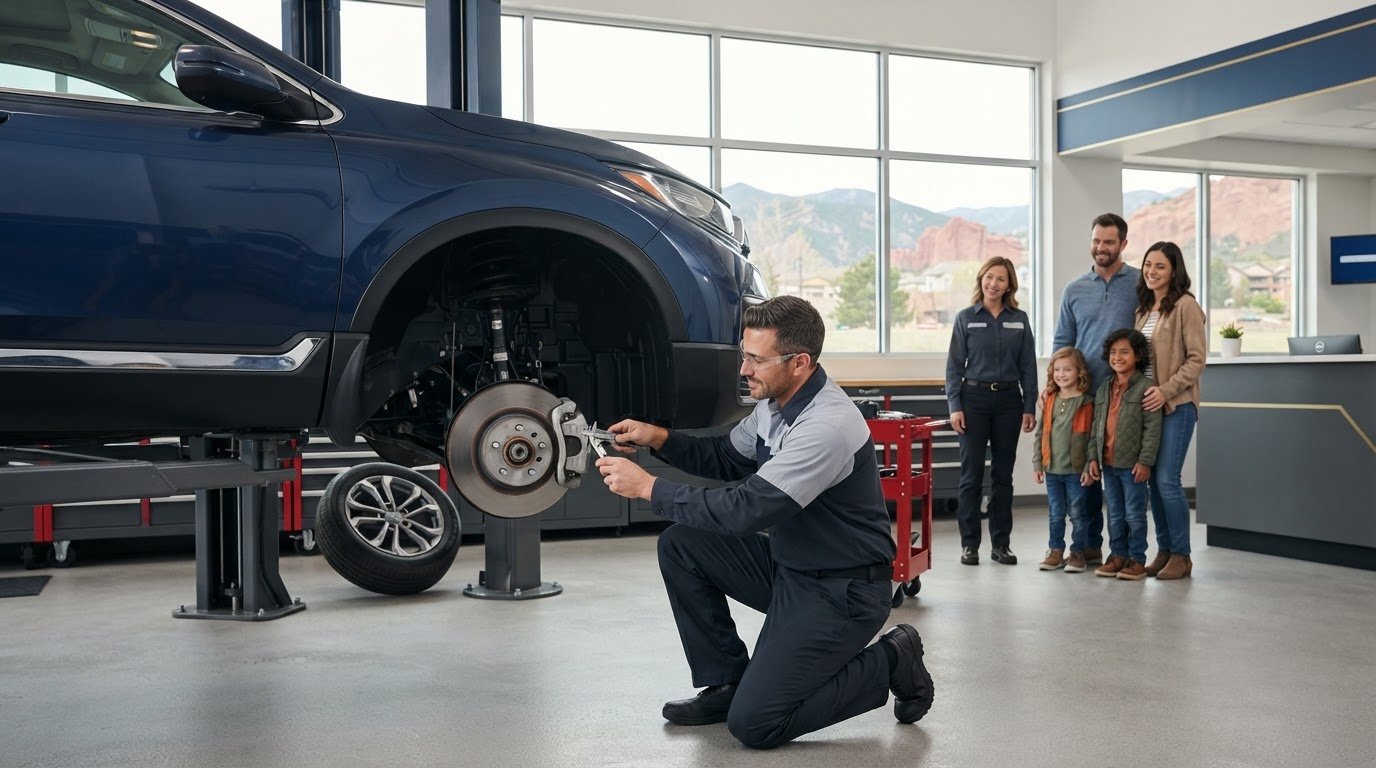
Brakes do not follow one replacement schedule for every vehicle. If you’re wondering how often should brakes be replaced, the answer depends on the vehicle, its brake parts, driving conditions, and inspection findings. A mileage estimate can be a rough reference, but it cannot confirm whether your brakes need service.
New squealing or grinding, vibration while braking, pulling, a warning light, or a change in pedal feel can all signal a need for inspection. These symptoms can have different causes, so they do not identify a specific part on their own.
This guide explains what affects brake wear, which warning signs deserve attention, and what an inspection can reveal about pads, rotors, and other components. It also covers useful details to track about your driving and the symptoms you notice.
Key Takeaways
- There is no single replacement interval. Use your owner manual and inspection findings to guide brake maintenance.
- Note when unusual sounds, vibration, pulling, warning lights, or pedal changes happen. That pattern can help explain the concern.
- Brake replacement should be based on the condition of the vehicle’s components, not calendar age alone.
- An inspection can help distinguish worn pads from possible rotor, caliper, or brake fluid concerns.
- If braking feels different or a warning sign appears, arrange an inspection to identify what needs attention.
How often to replace brakes without a set schedule?
Brake replacement timing varies with the vehicle, its brake parts, driving conditions, and inspection results. There is no single mileage answer to “how often should brakes be replaced?” Frequent stops and hard braking can affect wear differently from driving mainly on open roads. Calendar age alone cannot show whether pads or other components need replacement.
Your owner manual may provide vehicle specific guidance on brake inspections or service. An inspection assesses the parts themselves rather than relying on how long they have been installed. The condition of the components is a more useful guide than a calendar estimate.
Brake replacement is based on condition, not one universal mileage rule.
Why brake replacement timing varies from driver to driver
Frequent stops and hard braking increase the work brakes do. Easing off the accelerator and leaving room to slow can help reduce unnecessary hard stops, but driving habits cannot establish a guaranteed replacement interval.
Vehicle design, the load it carries, and the condition of its braking system also affect wear. Two vehicles driven on similar routes may still need service at different times because their parts and condition differ. The owner manual and inspection findings offer more useful guidance than a calendar estimate alone. For drivers shopping for another vehicle, checking past inspection records and brake health is equally important when browsing pre-owned models at dealerships like Tom Whiteside Chrysler Dodge Jeep Ram.
Which brake parts may need attention
Brake pads press against rotors, the discs attached to the wheels, to help slow the vehicle. The basic role of brake pads is to create friction during braking. Calipers hold and move the pads against the rotors. Brake fluid transfers force through the hydraulic system when you press the pedal.
Pads and rotors work together as friction parts, while calipers and fluid serve different roles. Any of these components may need service if an inspection finds a concern. Replacing pads will not necessarily address a separate rotor or caliper issue. Component condition and relevant measurements help determine whether repair or replacement is appropriate.
What brake symptoms can tell you about wear or a possible problem
Sounds, changes in how the vehicle stops, and dashboard alerts can all be reasons to investigate. They do not identify a failed part by themselves. If you’re asking how often should brakes be replaced, watch for changes in how your vehicle brakes and have concerning symptoms checked instead of treating a noise or feeling as a diagnosis.
Brake noises and pedal changes are clues, not a confirmed diagnosis. A squeal can have more than one source, while vibration, pulling, or a warning light may point to different parts of the braking system. AAA’s overview of signs you may need new brakes offers additional examples of changes drivers can watch for.
Do squealing or grinding brakes mean replacement is due?
Not necessarily. A squeal may come from a brake pad wear indicator, but other causes are possible. Notice whether it happens during every stop, after the vehicle has been parked, or under a particular braking condition. That context can guide an inspection, but sound alone cannot confirm pad thickness or identify the part involved.
Grinding deserves prompt attention. It can indicate serious contact between brake components, so arrange an inspection rather than waiting to see whether the noise goes away. An inspection can determine whether pads, rotors, or another component needs service.
What do vibration, pulling, or a changing pedal suggest?
A pulsing brake pedal or vibration through the steering wheel during braking may involve the rotors, but other components can also contribute. If the vehicle pulls to one side as you brake, the cause could involve the brakes or another part affecting how the vehicle tracks. Neither symptom confirms worn pads on its own.
Changes in pedal feel matter, too. A pedal that feels unusually soft, sinks lower than normal, or responds differently should be checked promptly. A brake warning light also deserves attention, especially if it appears with a change in braking response.
Which symptoms call for prompt attention?
Keep track of when a sound or change occurs, whether it happens during braking, and whether it is becoming more noticeable. A brief noise with otherwise normal braking still merits attention if it persists or returns. Grinding, a substantial change in pedal feel, a warning light, or pulling that affects control calls for prompt inspection. If braking performance feels compromised, avoid continuing to drive until you can get guidance.
If you notice a concerning brake change, you can get directions to Eagle Transmission & Auto Repair for a brake inspection.
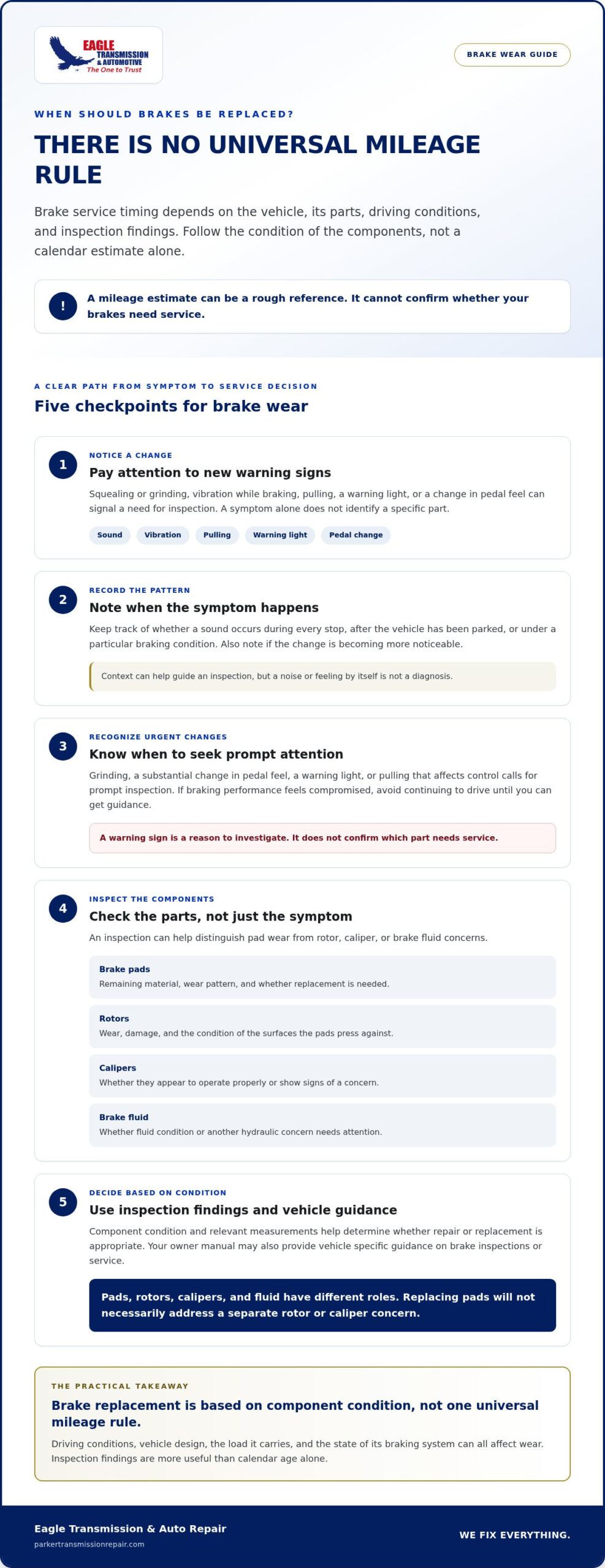
Brake pad replacement versus other brake repairs: what inspection can reveal
A squeal, vibration, or change in braking can have more than one cause, so the symptom alone cannot identify which part needs service. The question of how often should brakes be replaced is best answered by inspecting the affected components, considering their condition and measurements, and following the vehicle’s service guidance.
Here’s how common brake parts differ and what an inspection may help assess:
| Component | What it does | What inspection can assess |
|---|---|---|
| Brake pads | Press against the rotors to create friction and slow the wheels. | Remaining material, wear pattern, and whether replacement is needed. |
| Rotors | Provide the surfaces the pads press against. | Wear, damage, and condition of the surfaces. |
| Calipers | Move and hold the pads against the rotors during braking. | Whether they appear to operate properly or show signs of a concern. |
| Brake fluid | Transfers force through the hydraulic braking system. | Whether fluid condition or another hydraulic concern needs attention. |
When might pads, rotors, or calipers be involved?
Pads are designed to wear as they create friction. Rotors can also wear or become damaged, and calipers may need attention if they do not move or hold the pads as intended. Uneven pad wear, for example, can shape the repair recommendation differently from even wear. A visible symptom does not prove which part is responsible, and a concern with one component does not automatically mean every part needs replacement.
Why inspection matters before deciding on replacement
An inspection can include assessing visible condition and relevant measurements, then evaluating the reported braking concern. The vehicle’s service guidance can help inform the recommendation. For example, replacing pads may not resolve a vibration if another component is involved. The appropriate repair depends on inspection findings, not just what the driver hears or feels.
An accurate recommendation requires looking at the vehicle itself. An assessment can distinguish a pad replacement from a rotor, caliper, or fluid concern and explain which parts need attention. For a broader overview of brake service and replacement, read Comprehensive Brake Repair in Parker, CO: Safe Stopping for Colorado Drivers.
How to monitor brake wear and when to get an inspection
A simple routine can help you track changes and share useful details during an inspection. It will not identify the cause, but it can make the concern easier to describe.
- Note what you observe. Pay attention to new sounds, vibration, pulling, warning lights, pedal feel, or a change in how the vehicle responds as you slow down.
- Check your owner manual. Look for vehicle specific brake inspection or service guidance.
- Arrange an inspection if concerns arise. Do not rely on a calendar interval if the way your brakes behave has changed.
What should you notice during everyday driving?
Use your vehicle’s usual braking feel as a reference. Record when a sound or change occurs and whether it appears under particular conditions. For example, note whether vibration happens during braking, whether pulling occurs consistently, or whether a warning light appeared before or after you noticed a pedal change.
Driving patterns are useful context, too. Frequent stops or steep routes around Parker may place different demands on brakes than routes with fewer stops. These details help describe how you use the vehicle, but they do not determine which part needs service.
When should you arrange a brake inspection?
Grinding or a noticeable loss of braking performance calls for prompt professional attention. A change in pedal response, persistent pulling, or a brake warning light should also be assessed. If braking feels compromised, seek guidance before continuing to drive. The next step depends on the severity of the symptoms and what an inspection finds.
If you have noticed a change in how your brakes sound or respond, get directions to Eagle Transmission & Auto Repair for a brake inspection, or visit parkertransmissionrepair.com.
What happens after you request brake service in Parker?
A brake inspection helps identify the concern and which parts of the system may need attention. It can help distinguish a pad replacement from another brake repair, but the right recommendation depends on the vehicle’s condition. Eagle Transmission & Auto Repair provides brake repair and replacement in Parker.
What information helps explain a brake concern?
Before arranging service, note when the symptom began and the conditions in which it occurs. Did you hear a noise while braking? Did the vehicle vibrate or pull, did a warning light appear, or did the pedal feel different? A brief record of what you noticed can provide useful context for an inspection.
These details do not confirm which part needs service. The vehicle needs an inspection to identify the concern and relevant components, and to determine what repair may be appropriate.
Arrange brake repair in Parker, Colorado
Drivers in Parker, Centennial, Castle Rock, Douglas County, Lone Tree, and Aurora can arrange brake repair and replacement with Eagle Transmission & Auto Repair. An inspection can help identify the cause of a sound, pedal change, or other braking concern.
Make your next brake decision with confidence
There is no single mileage or calendar rule for brake replacement. If you’re asking how often should brakes be replaced, focus on the vehicle’s condition, how it is driven, and what an inspection finds. New sounds, vibration, pulling, warning lights, or a change in pedal feel are useful clues to share, not proof of a specific failed part.
An inspection can help determine whether the concern involves pads, rotors, calipers, brake fluid, or another part of the system. Notes about when symptoms occur provide a clearer starting point, while your owner manual can offer vehicle specific service guidance.
Eagle Transmission & Auto Repair provides brake repair and replacement in Parker, Colorado. If braking feels different or a sound keeps returning, arrange an inspection to understand what your vehicle needs.
Frequently Asked Questions
How often should brake pads be replaced?
Brake pads should be replaced when an inspection shows they are worn or otherwise need service, not according to one universal interval. The timing depends on the vehicle, brake parts, driving conditions, and inspection findings. Frequent stops and hard braking can affect wear. Check your owner manual for vehicle specific inspection guidance, and arrange an assessment if braking changes or warning signs appear.
Can I tell if my brakes need replacing by listening to them?
Listening can alert you to a possible concern, but it cannot confirm which part needs service. Squealing may have several causes, and grinding calls for prompt inspection. Notice when the sound occurs, such as during braking, after the vehicle has been parked, or repeatedly throughout a drive. Share those details during an inspection so the brake components can be assessed.
Is it safe to drive with squealing or grinding brakes?
A squeal does not always mean the brakes have failed, but a persistent or returning noise should be checked. Grinding deserves prompt attention because brake components may be contacting in a way that can cause further damage. If braking performance has noticeably changed, or the vehicle does not feel safe to control, stop somewhere safe and seek professional guidance before driving farther.
Do brake rotors need to be replaced every time brake pads are replaced?
No. Rotors do not automatically need replacement whenever pads are changed. Their condition should be assessed during inspection, including signs of wear or damage and relevant measurements. If a rotor is in suitable condition, pad replacement may be appropriate without replacing it. If inspection finds a rotor concern, the recommendation may differ.
How can a technician tell whether brake pads or another component needs attention?
A technician can inspect the pads, rotors, calipers, and brake fluid, assess relevant measurements, and evaluate the symptom you describe. Vibration alone, for example, does not confirm worn pads because other components may be involved. An inspection helps identify which components need attention and supports a recommendation based on the vehicle’s condition. For drivers outside the immediate area who need to schedule an assessment, booking platforms such as My Auto Shop can help connect vehicle owners with qualified local mechanics.
For brake repair in Parker, Colorado, call Eagle Transmission & Auto Repair at (720) 778-1888 or visit parkertransmissionrepair.com to arrange an inspection. If braking feels different, getting the concern assessed can help clarify the right next step.
Eagle Transmission & Auto Repair
10189 Parkglenn Way, Parker, CO 80138
Phone: (720) 778-1888
Website: parkertransmissionrepair.com
Hours: 8:00 AM to 6:00 PM, Monday through Friday. Closed Saturday and Sunday.