You are merging onto I-25 from Castle Rock, heading toward Denver for work, when the steering wheel starts to hum and the engine hesitates just as you need that extra burst of power. It is a sinking feeling that usually happens at the worst possible time, like when you are stuck at a red light on Founders Parkway and the car feels like it might stall out. Getting a professional car running rough diagnosis Castle Rock drivers can trust is the first step toward getting your confidence back on the road. Whether it is a subtle vibration while accelerating or a terrifying lurch at an intersection, these symptoms are your vehicle’s way of asking for help before a small issue turns into a major repair bill.
We understand the anxiety that comes with an unpredictable vehicle, especially when you are worried about being overcharged for unnecessary parts. At Eagle Transmission & Auto Repair, our “WE FIX EVERYTHING” philosophy means we don’t just guess at the problem. This expert guide will help you identify the root cause of your vehicle’s stuttering or loss of power. We will look at common culprits like engine misfires and transmission shudder, explain how our high altitude affects your engine, and walk through the professional diagnostic process that ensures your car is ready for the rigors of mountain driving.
Key Takeaways
- Learn to distinguish between a simple rough idle at a stoplight and a serious engine stumble that occurs while accelerating on I-25.
- Understand how common issues like fouled spark plugs or clogged fuel injectors can often mimic more expensive transmission problems.
- Discover how a professional car running rough diagnosis Castle Rock drivers rely on can save you money by pinpointing the exact root cause before you start replacing parts.
- Find out the simple diagnostic trick to tell if your vehicle’s vibration is coming from a transmission torque converter or an engine misfire.
- See how advanced live-data monitoring provides a clear roadmap for repairs, ensuring your vehicle is safe and reliable for mountain driving.
Recognizing the Symptoms of a Rough Running Engine
When your car starts acting up, it isn’t a mystery for long. You’ll feel it in the seat of your pants or through the steering wheel. A rough running engine often presents itself in two distinct ways: a rough idle or stumbling under load. A rough idle is that shaky, uneven vibration you feel while waiting at a red light. It might feel like the car is “searching” for the right rhythm. On the other hand, stumbling under load happens when you ask the car to do work, like merging onto a highway. This is often where a car running rough diagnosis Castle Rock drivers seek becomes critical, as the vehicle might lurch or lose power exactly when you need it most.
A common sign of trouble is an engine misfire. This happens when one or more cylinders fail to fire correctly, usually due to a lack of spark, fuel, or compression. If this happens while you’re accelerating, it feels like a sudden hesitation or a rhythmic “thump” that disappears once you let off the gas. Your vehicle’s on-board diagnostics (OBD-II) system is designed to catch these events. If the Check Engine Light starts flashing, it means a severe misfire is occurring that could melt your catalytic converter. In Douglas County, an illuminated light or active misfire code results in an automatic emissions test failure, preventing you from renewing your tags until it’s fixed.
Ignoring these minor vibrations is risky. What starts as a simple spark plug issue can quickly escalate into expensive damage to your engine or transmission. A small hiccup today can become a major mechanical failure tomorrow if the root cause isn’t addressed. Because we live in a high-altitude environment, our engines are already under unique stress, making it even more vital to pay attention to these early warning signs.
Common Driver Complaints in Douglas County
Living in the Front Range means our vehicles work harder. We often hear from neighbors experiencing stuttering while climbing steep grades near Castle Rock or a frustrating loss of power when merging onto I-25. If your car vibrates while you’re stopped at a red light on Founders Parkway, it’s more than just an annoyance. The thinner air at our elevation means your engine’s computer has to work overtime to balance the air-fuel mixture. Even a small vacuum leak or a dirty sensor can cause the vehicle to struggle under these local conditions.
The ‘Parts Cannon’ vs. Professional Diagnosis
Many people try to fix a rough engine by “firing the parts cannon.” This means replacing spark plugs, wires, and filters one by one, hoping to hit the target. This is a gamble that often leads to wasted money. Modern vehicles are complex, and a vibration could be caused by anything from a failing fuel pump to a sensor glitch. A car running rough diagnosis Castle Rock technicians provide uses real-time data to see exactly what is happening inside the engine. Instead of guessing, a professional auto repair in Castle Rock uses specialized tools to identify the root cause. This ensures you only pay for the repairs you actually need, reinforcing our belief that “WE FIX EVERYTHING” by getting it right the first time.
Common Mechanical Causes: Why Your Vehicle Stutters or Shakes
When your vehicle starts to hesitate, it’s usually trying to tell you that the delicate balance of air, fuel, and spark has been disrupted. Identifying the specific cause is the goal of a car running rough diagnosis Castle Rock drivers can rely on to keep their daily commutes stress-free. Before you authorize any work, it helps to understand how these systems interact, which is why we recommend reviewing this FTC guide to auto repair basics for a better grasp of vehicle maintenance. Most rough running issues stem from a few primary areas:
- Ignition System Failures: Worn spark plugs, cracked ignition cables, or failing coil packs are the most frequent culprits behind a rhythmic engine misfire.
- Fuel Delivery Issues: If your fuel injectors are clogged or the fuel pump is beginning to lose pressure, the engine won’t get the “food” it needs to stay running smoothly.
- Air Intake and Vacuum Leaks: Any extra air entering the engine that the computer hasn’t accounted for will throw off the combustion process, leading to a shaky idle.
- Sensor Malfunctions: Sensors like the Mass Air Flow (MAF) or Oxygen (O2) sensors act as the engine’s eyes. If they’re dirty or failing, the engine computer makes poor decisions about how much fuel to use.
Make and Model Specific Failure Patterns
Different vehicles have their own “personality” regarding mechanical trouble. For example, owners of the Ford F-150 with the EcoBoost engine often deal with carbon buildup on intake valves or sensitive ignition coils that fail under heavy boost. Jeep Grand Cherokee owners frequently encounter vacuum leaks or carbon-choked throttle bodies that cause the RPMs to dip at stoplights. Meanwhile, Toyota Tacoma drivers might find that a simple dirty MAF sensor is the reason for their loss of fuel economy and sluggish acceleration. Identifying these patterns early is part of our commitment to specialized care and our “WE FIX EVERYTHING” approach.
The Impact of Colorado Driving Conditions
Our local environment plays a massive role in how your car performs. Castle Rock sits at an elevation of about 6,220 feet, where the air is significantly thinner than at sea level. This means your engine’s computer must constantly adjust the air-fuel ratio to compensate. Dirty sensors or marginal ignition components that might work fine in lower elevations often fail here because they can’t handle the extra strain of mountain driving. Cold starts in Douglas County also put a heavy load on your battery and ignition system. If you’ve noticed your truck struggling on the climb up toward Monument, a thorough diagnostic check can ensure your vehicle is ready for the changing seasons.

Diagnostic Triage: Differentiating Engine Misfires from Transmission Issues
One of the most frustrating parts of a vehicle problem is when the symptoms are “blurry.” You might feel a vibration and assume it’s the engine, but it could actually be a drivetrain issue. Performing a car running rough diagnosis Castle Rock drivers can trust means looking at the whole picture. At Eagle Transmission & Auto Repair, our ASE-certified technicians are trained to perform diagnostic triage. This process helps us determine if the stuttering is coming from the combustion cycle or the mechanical components that move your wheels. Because our motto is “WE FIX EVERYTHING,” we have the tools to analyze both systems simultaneously.
A common “imposter” for a rough engine is transmission shudder. This often happens when the torque converter clutch is trying to engage but slips slightly. It feels remarkably like driving over rumble strips or a rough patch of pavement. This sensation usually occurs at specific speeds, often between 35 and 50 mph, when the vehicle is in a high gear. If you notice a vibration that only happens during light acceleration at cruising speeds, it’s a strong candidate for transmission service rather than a tune-up.
Symptom Comparison: Engine vs. Transmission
How do you tell the difference? Watch your tachometer. If you see the RPM needle jumping or dropping erratically while the car stumbles, you’re likely dealing with an engine misfire. If the RPMs stay steady but the whole vehicle shakes, it’s more likely a drivetrain vibration. Shifting patterns also tell a story. If the “roughness” only happens exactly when the car changes gears, the transmission is the primary suspect. High-speed shakes at highway speeds often point to driveline issues, while low-speed stumbles at a stop sign almost always lead back to the engine.
4X4 and Drivetrain Considerations
In Colorado, many of us drive 4×4 trucks like the Chevy Silverado or Ram 1500. These vehicles have extra components like transfer cases and front differentials that can create a “rough” sensation. A worn U-joint in the driveshaft can cause a rhythmic clunking or vibration that feels like a misfire. When we perform a car running rough diagnosis Castle Rock owners rely on, we also inspect the transfer case for fluid leaks or internal wear. Similarly, if you feel a binding or jerking sensation while turning in a parking lot, it might be time for Expert Rear Differential & Drivetrain Repair in Parker, CO. We check these components during every diagnostic visit to ensure we aren’t just fixing a symptom, but the actual cause of the problem.
The Professional Diagnostic Process: How We Find the Root Cause
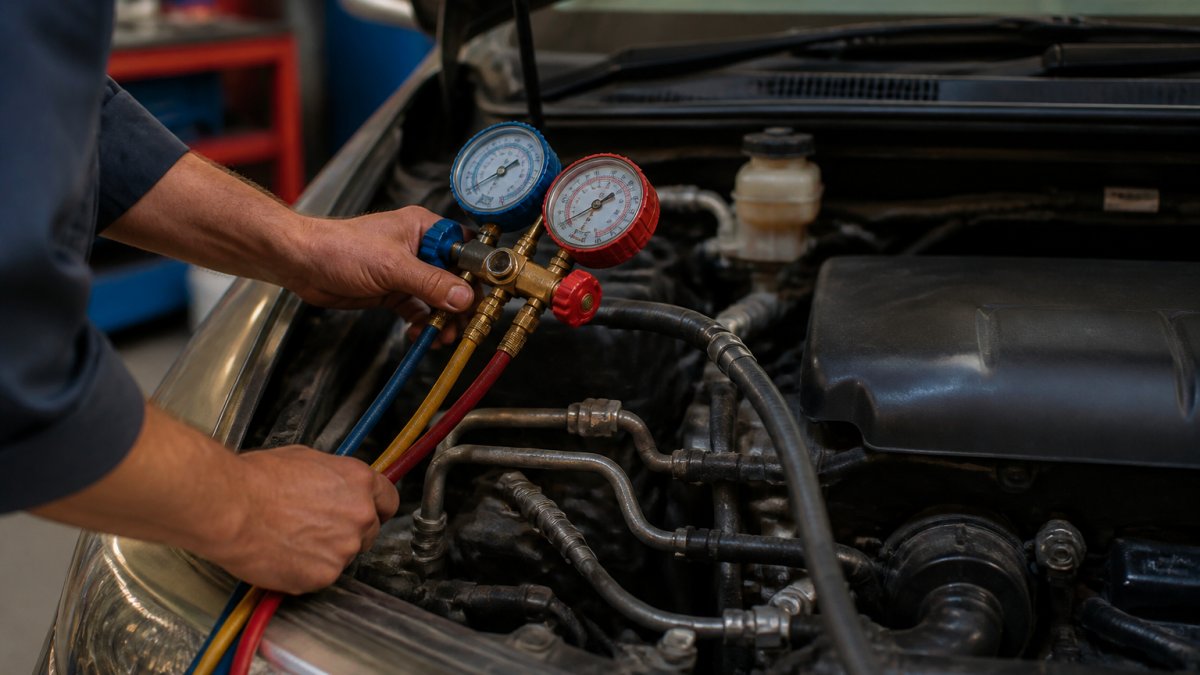
When you bring your vehicle to us, we don’t just start swapping parts and hoping for the best. A professional car running rough diagnosis Castle Rock drivers expect involves a methodical, multi-step investigation. We begin with a comprehensive computer scan to retrieve any stored trouble codes. These codes act like a table of contents, pointing us toward the right system, but they don’t tell the whole story. Our technicians then use live data monitoring to watch your engine’s performance in real-time. This allows us to see exactly how the fuel trims, ignition timing, and sensor readings are behaving while the engine is under load.
Technology is a powerful tool, but it doesn’t replace getting our hands dirty. We perform a physical inspection of your spark plugs, vacuum lines, and fuel pressure systems to look for physical wear that a computer might miss. Finally, we take the vehicle for a road test. We want to replicate the exact stuttering or loss of power you feel during your daily drive. By testing the vehicle under local driving conditions, we can see how it handles the specific stresses of our high-altitude environment.
Beyond the Code Reader
It’s a common misconception that a code reader tells a mechanic exactly what to fix. In reality, a code for a “lean condition” could be caused by a dozen different issues, from a vacuum leak to a failing fuel pump. This is why we go much deeper than a simple scan. For our neighbors driving heavy-duty trucks, we utilize specialized Ford repair tools designed specifically for Super Duty models to access manufacturer-specific data that generic scanners can’t see. If you’re curious about what those dashboard lights really mean, you can read more about Professional Engine Light Diagnosis in Parker.
Transparency and Communication
We believe you should feel like a partner in your car’s care, not just a bystander. We don’t use confusing jargon or “mechanic-speak” to make things sound more complicated than they are. Instead, we explain our findings in plain English so you can make an informed decision. We also help you prioritize repairs. If a component is a safety risk, we’ll tell you immediately. If it’s something that can wait until your next service, we’ll be honest about that too. Our “WE FIX EVERYTHING” approach means we look at the whole vehicle to ensure your family stays safe. If your vehicle is struggling, book a diagnostic session with our team and let us find the answer for you.
Reliable Auto Repair and Diagnosis for Castle Rock and Parker
Choosing where to take your vehicle shouldn’t feel like a chore. While many drivers think the dealership is their only option for advanced troubleshooting, local owners often find a better experience at a neighborly, specialized shop. We combine dealership-level diagnostic technology with the warmth of a family-owned business. If you need a car running rough diagnosis Castle Rock residents can rely on, our team is just a short drive away in Parker. We live and work in Douglas County. We understand the importance of a vehicle that can handle our steep grades and changing weather.
Our commitment is simple: we want to keep your family safe on Colorado roads. Whether you’re commuting in a Honda CR-V or hauling a heavy trailer with a Ram Cummins diesel, we have the expertise to handle the job. We don’t just look at the engine; we look at the whole vehicle. This comprehensive approach ensures that when you head out on your next mountain adventure, you can do so with confidence. Our location is easy to find, making it a convenient stop for anyone living in the Castle Rock or Parker area.
Comprehensive Care for Your Vehicle
At Eagle Transmission & Auto Repair, we take pride in our versatility. We handle everything from complex transmission rebuilds to simple brake replacements. This is the benefit of a shop that truly lives by the motto “WE FIX EVERYTHING.” We don’t want you to have to bounce between three different shops to get your car running right. By choosing a Expert Auto Repair in Castle Rock, CO, you’re getting a team that understands how every system in your car works together. We find the root cause, fix it, and get you back to your life.
Schedule Your Diagnosis Today
Don’t let a small vibration or a minor stutter turn into a major headache. A rough-running engine is more than just an annoyance; it’s a sign that your car needs professional attention. Ignoring it could leave you stranded on I-25 during rush hour or, worse, cause permanent damage to your engine. We make scheduling easy and transparent. We’ll walk you through every step of our findings and help you make the best choice for your vehicle’s health. If you’re ready to get your car back in top shape, Get Directions to Eagle Transmission & Auto Repair and let us help you today.
Restore Confidence in Your Daily Drive
A stuttering engine or a sudden loss of power can turn a routine commute into a stressful ordeal. By moving beyond basic code reading and utilizing live-data monitoring, you can identify whether that vibration is a simple ignition fix or a more complex drivetrain issue. Our car running rough diagnosis Castle Rock drivers trust is designed to provide clarity, ensuring you only invest in the repairs your vehicle actually needs. Whether you’re driving a specialized Ford Super Duty or a family SUV, understanding how Colorado’s altitude affects your fuel-air ratio is the key to long-term reliability.
At Eagle Transmission & Auto Repair, we take our “WE FIX EVERYTHING” motto seriously. Our team combines specialized 4×4 expertise with a deep commitment to our Douglas County community. You don’t have to navigate mechanical uncertainty alone. We’re here to provide the accurate answers and professional care required to keep your vehicle safe on our mountain roads. Schedule your professional diagnosis at Eagle Transmission & Auto Repair today. Let’s get your car back to running as smoothly as the day you bought it.
Frequently Asked Questions
Can I drive my car if it is running rough?
You should avoid driving a vehicle that is stumbling or hesitating whenever possible. While the car might still move, a rough running engine often indicates a misfire that can dump unburnt fuel into your exhaust system. This can quickly overheat and destroy your catalytic converter, turning a simple sensor fix into an expensive replacement. If you notice a flashing check engine light, pull over safely and seek a professional car running rough diagnosis Castle Rock drivers trust to avoid being stranded.
Will a rough-running engine always trigger a check engine light?
Most modern vehicles will illuminate the dashboard warning light when they detect a performance issue, but it isn’t a guarantee. Sometimes a subtle vibration or a minor vacuum leak doesn’t quite reach the threshold required to trigger a permanent trouble code. Our technicians use advanced live-data monitoring to see these pending issues before the light even turns on. This proactive approach helps us catch small problems before they leave you stuck on the side of the road.
How much does a professional engine diagnosis cost in Castle Rock?
Diagnostic costs vary based on the complexity of the issue and the depth of testing required to find the root cause. A professional assessment involves more than just plugging in a code reader; it includes live-data analysis, physical inspections, and road testing. We focus on providing a transparent evaluation that prioritizes your safety and vehicle health. To get an accurate idea of what your specific situation requires, we recommend contacting our Parker shop for a personalized consultation.
Could a bad transmission cause my car to feel like it’s running rough?
Yes, a failing transmission or a slipping torque converter can feel remarkably similar to an engine misfire. This sensation is often called shudder and typically feels like you are driving over a rough patch of pavement or rumble strips. Since we specialize in both engines and drivetrains, we can perform a multi-system inspection to determine if the vibration is coming from your transmission or your spark plugs. This ensures we fix the right part the first time.
Why does my car run rough only when the engine is cold?
Cold starts put extra strain on your vehicle, especially during our chilly Douglas County winters. When an engine is cold, the computer relies on pre-set data until the sensors warm up. Issues like carbon buildup on intake valves or a small vacuum leak that seals itself as the metal expands can cause a shaky idle that disappears once you’ve driven a few miles. Identifying these temperature-sensitive problems is a key part of a thorough car running rough diagnosis Castle Rock neighbors rely on.
How often should I replace spark plugs to prevent a rough idle?
Most modern manufacturers recommend replacing spark plugs every 60,000 to 100,000 miles, but Colorado driving conditions can shorten that interval. Heavy towing, frequent mountain climbs, and our high elevation can cause plugs to wear out or foul prematurely. If you notice a dip in fuel economy or a slight hesitation during acceleration, it is a good idea to have your ignition system inspected. Keeping up with this simple maintenance helps prevent the stuttering that leads to more complex repairs.